Essential Guidelines for Storing Items Inside a Shipping Container
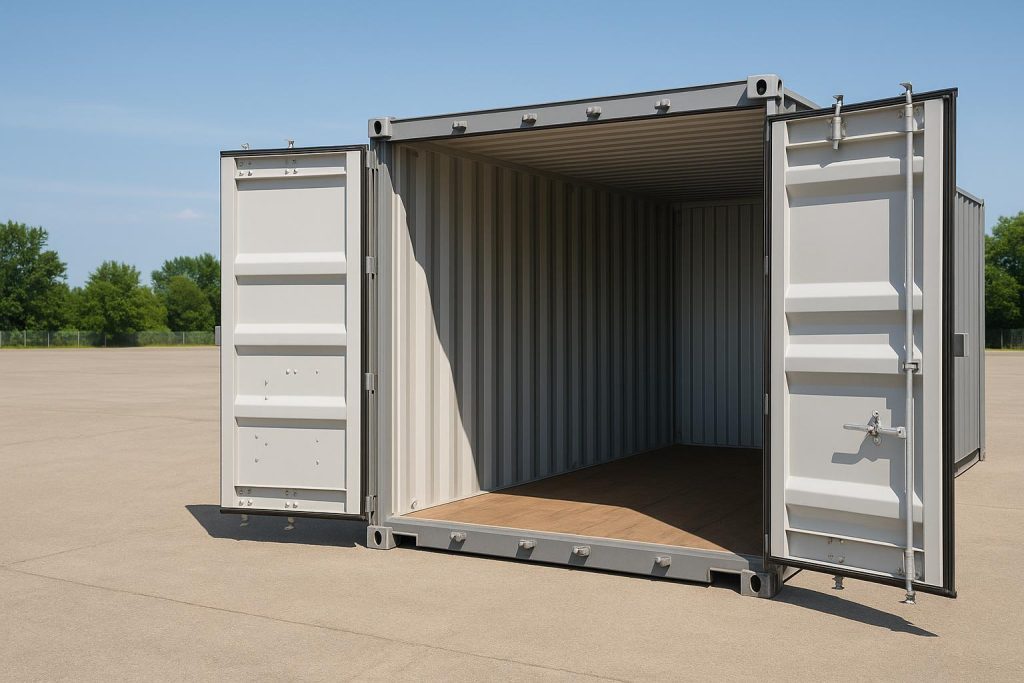
Storing your belongings in a shipping container, often called a “sea can,” can be a highly practical solution if you need extra space on your property or job site. These containers are wind- and water-tight, built to last, and easy to place or move. They’re also flexible in terms of how long you can keep them—whether that’s short-term or permanent. However, there are certain rules, limits, and best practices to keep in mind to keep both you and your items safe. Below, we’ll explore the key restrictions on what you can store, as well as share do’s and don’ts for proper care and management of your container.
Whether you’re converting a container into a mobile storage unit for your construction equipment or simply de-cluttering your garage and want on-site storage for household items, understanding the guidelines will help you optimize the space and avoid any legal or safety issues. This comprehensive guide covers common regulations, local considerations, and everything else you need to know about storing items in a sea can.
Common Restrictions on Container Contents
Most container providers, as well as local officials, have specific restrictions that govern what you can keep inside these steel units. Always check with your provider and local regulations, but here are the most common items you should not store:
- Hazardous or Flammable Materials: Items like gasoline, propane tanks, explosives, and other substances that pose a fire risk or emit harmful fumes are typically forbidden. These materials can be extremely dangerous in a closed container setting.
- Perishable Goods: Foods, plants, and other perishables that can spoil or attract pests aren’t allowed in standard sea cans. Persistent odor and rodent infestation are just two of the issues you’ll face if perishables are stored.
- Illegal or Stolen Goods: It may sound obvious, but using a container to stash stolen property or illegal substances is strictly prohibited. Container providers don’t want liability, and local law enforcement will have an interest in what’s stored on your property if it’s suspicious.
- Anything Requiring Special Handling: If you have special chemicals that require ventilation or refrigeration, or if local ordinances say they can’t be stored on residential or commercial properties without a permit, you’ll need specialized facilities.
Beyond these basic restrictions, always do your best to understand any specific guidelines offered by your container provider. Some providers have additional clauses that disallow certain items, like extremely high-value merchandise, or limit container use to storage only, rather than any form of habitation. If in doubt, ask your provider for help or consult your local bylaws.
Why Restrictions Exist
Restrictions on container storage primarily exist to keep people safe—not just you, but also neighbors, local communities, and the environment. For instance, storing flammable liquids inside a sealed metal unit can increase the risk of fire or explosion if temperatures rise. Prohibiting perishable or organic materials helps protect against mold, mildew, and pest problems. Meanwhile, local authorities and container providers want to ensure that none of these steel structures end up acting as a hiding place for stolen or restricted materials.
It’s also about preserving the integrity of the container itself. Storing moisture-heavy or mold-prone items without proper ventilation can damage both your belongings and the container. By following these guidelines, you’ll extend the lifespan of your container and maintain the overall condition of stored items.
What Happens If You Don’t Comply?
While it’s tempting to ignore a few rules, violating storage restrictions can come with serious consequences. If a fire or chemical incident occurs, you could be liable for damages, or even face legal ramifications for ignoring safety regulations. Local authorities can issue fines if your container usage violates zoning or environmental laws. Additionally, your provider may be forced to reclaim the unit or end your rental agreement early. In short, it’s in your best interest to follow all stated guidelines to avoid financial or legal trouble.
Proper Sea Can Management: Do’s
Along with restrictions, there are many tips that help you make the most of a sea can. By following smart practices, you can keep your items secure, dry, and in good condition:
- Do Maintain Proper Ventilation: Because a shipping container is a sealed steel box, condensation and moisture can accumulate. Good airflow reduces the risk of mold, mildew, or rust. You can install vents or use moisture absorbers to keep the interior environment stable.
- Do Use Shelving: Metal or wooden shelving units are excellent for storing items in a container. This tactic frees up floor space and ensures you can find belongings easily. Shelves also help keep your items off the ground, especially if there’s any minor moisture buildup.
- Do Keep It Level: Place your sea can on a sturdy, level surface. This prevents misalignment that can make doors stick or cause structural stress over time. Consider the type of ground you’re placing it on—soft soil can settle and create uneven patches.
- Do Secure Your Items: Even if you’re storing your sea can on private property, using straps or other securing methods can prevent items from shifting. For businesses or contractors, securing heavy equipment and tools inside the container keeps everything stable and reduces accidents.
- Do Use Moisture Absorbers: Desiccants or container-specific moisture control products can be vital, especially in damp climates or when storing sensitive goods like electronics, paper documents, or fabric. They help keep your container interior clean and odor-free.
Common Pitfalls: Don’ts
Along with good practices, it’s crucial to understand what not to do. Here are some big things to avoid:
- Don’t Overload: Each container has a recommended weight capacity. Exceeding it can lead to structural damage, making it more likely for floors to bend or doors not to close properly. Check with the container provider for maximum weight limits.
- Don’t Store Perishables or Hazardous Materials: As mentioned, these items can cause odors, invite pests, or become a safety hazard. Sticking to dry goods, durable tools, furniture, and similarly stable items is the safest approach.
- Don’t Ignore Local Regulations: Depending on where you live or do business, zoning laws and permits may apply to on-site containers. Keep up with local bylaws, as ignoring them can lead to hefty fines or forced removal of the container.
- Don’t Neglect Security: While sea cans are secure by design—constructed of durable steel—adding locks or even a simple alarm system can greatly enhance protection. This is particularly important if you’re storing high-value items.
- Don’t Store Wet Items: Loading wet furniture or tools is an invitation for mold and corrosion. Always dry everything thoroughly first. If you discover dampness inside, address it right away rather than waiting, to protect the rest of your stored items.
Local Regulations and Zoning Considerations
In many municipalities, including areas around Edmonton and beyond, you may need a permit or a special allowance to keep a shipping container on your property, especially if it is for commercial or long-term use. Residential areas might limit the size or length of time you can leave a container on-site, while commercial zones may have rules about container placement for safety or aesthetic reasons.
If you’re not sure about your specific jurisdiction, consult your local government offices. Doing your homework before getting a container can save you from surprise penalties. For instance, certain neighborhoods have strict homeowners’ association (HOA) requirements that dictate where you can place a container and how long it can remain there. Always follow local guidelines to keep your storage solution hassle-free.
Managing Moisture and Ventilation
Condensation is a common challenge for container owners, especially if they live in a region with significant temperature swings or humidity. Metal containers with limited airflow are prone to moisture buildup, which negatively impacts stored possessions. Simple steps like installing vents or using moisture absorbers can make a big difference in preventing rust, mold, or mildew.
If you have items especially sensitive to moisture—like upholstered furniture or musical instruments—written documentation from your provider on how best to protect them can be useful. Or, you might decide to keep sensitive belongings in alternative, more controlled environments, like Self Storage if you need an indoor unit. The key is finding a solution that balances convenience with adequate protection for your items.
Securing Your Container on Your Property
Even though shipping containers are built from steel, an additional level of security is often recommended. Basic padlocks work well, but for better peace of mind, consider lockboxes or specialty locks designed specifically for container doors. If you store items of high value, a simple alarm system or a motion-activated camera can help keep them safe. You may even consider coordinating with your insurance company to see if they offer coverage or discounts for container-based storage.
On the business side, if you’re running a construction site or using the container for commercial tools, you’ll likely need even stricter security. You could partner with a local security firm for overnight checks or install advanced monitoring systems. Remember, it’s always less expensive to invest in proper security beforehand than to deal with the fallout of theft or vandalism.
Assessing the Space and Placement
Before you get a container, look at where you want to position it on your property. You’ll need enough space for delivery and set-up, plus clearance for doors to open fully. Take note of any overhead wires, trees, or slopes. A level, durable surface—such as concrete pads or well-compacted gravel—prevents the container from shifting over time. Elevation blocks can also be an asset, allowing airflow underneath the container.
If space is limited or your home environment isn’t as conducive for a large container, you might explore Container Rentals that can be placed for just a short period. In some cases, if on-site storage becomes impractical or too restrictive where you live, you might opt to keep items in a dedicated self-storage bay at a secure facility instead.
Alternatives for Special Items
Sometimes, the question isn’t whether you can store an item, but whether you should. For instance, if you have delicate antiques or electronics that require a highly stable temperature range, you might risk damage in an uninsulated container that experiences summer heat or winter chill. If that’s a concern, you can nestle those items in protective packaging with the correct level of insulation or seek out a more controlled type of storage (like warehouse solutions offered by specialized providers). Always weigh your containers’ ambiance against the sensitivity of the items you plan to put inside.
Choosing the Right Container Size
Sea cans come in different lengths—commonly 20 ft, 40 ft, and sometimes 53 ft. The right size for you depends on factors like the volume of items you plan to store and the space available for placement. Keep in mind that while a bigger container might seem like a good idea “just in case,” it also demands more real estate and might be overkill if you only have a few items.
If you plan to expand or expect to accumulate more belongings over time, going with a larger container from the start can be a good option. On the other hand, if you have moderate needs, a 20 ft container might suffice. Talk to your provider for advice on choosing the size based on your intended contents and how often you might need access.
Short-Term vs. Long-Term Use
One of the biggest advantages of sea cans is their flexibility. You can rent a container for as little as a month or purchase your own for permanent placement. If you aim to keep it on-site for the long haul, you might want to invest in additional features such as insulation, upgraded locks, or add-on doors for easier access. If it’s a temporary storage fix—like a home renovation or moving scenario—you can keep changes to a minimum and return the unit when finished.
For many homeowners or business owners, an indefinite rental is an appealing choice because it spares you the trouble of investing in your own container—plus the provider handles maintenance. Alternatively, purchasing a container can be a smart move if you need it for a growing business or anticipate repeated use, as you’ll have full control over any modifications.
Maintenance and Upkeep Tips
Although sea cans are built to be tough and hassle-free, you still need periodic checks to ensure everything functions well. Here’s how you can keep your container in top shape:
- Regular Inspections: Look for any signs of rust, especially around doors or corners where moisture can collect. Address any issues quickly to prevent them from growing.
- Lubricate Hinges: If your container doors become stiff, adding lubrication to the hinges can solve the issue and make opening and closing the container more convenient.
- Check Seals: Damaged seals around the doors can let in water or moisture, especially during heavy rainfall or in snowy conditions. Replace worn-out seals to maintain a water-tight interior.
- Clean Interior: Sweep out debris, dust, and any leftover materials from time to time. This step not only maintains a clean environment but also helps you spot potential problems early.
When to Seek Professional Guidance
Most container-related questions can be answered with a little research, but certain factors—like local zoning, specialized modifications, or storing highly sensitive items—might need professional input. If you’re uncertain about the local permitting process, reach out to your municipality. If you want to customize a container with extra doors or windows for a project, consult an experienced provider who can advise on proper cutting, bracing, and ventilation methods.
Additionally, if you have unique storage needs but aren’t sure whether they fit with an on-site container, consider contacting an established storage company that offers multiple services. They can direct you to alternative solutions—for example, self-storage bays, mobile storage, or container rentals—based on your specific situation.
Final Thoughts
Storing items in a sea can can be an excellent choice if you respect the restrictions and guidelines. Avoid storing hazardous or perishable materials, follow local regulations, and remember the basic do’s and don’ts of container management. Be proactive about ventilation, moisture control, and security to protect your belongings and the container itself.
A shipping container can offer spacious, hassle-free storage onsite. From home renovations to business inventory, these units serve various needs, but only if used responsibly. Consider your location, environment, and the nature of the items you plan to keep inside. Look into supplementary solutions like container rentals if you need a short-term arrangement, or explore container sales if you want a permanent, cost-effective choice in the long run. In the end, the right approach will give you peace of mind and a clean, well-maintained space for your belongings.
By taking a few precautions and staying informed, you can optimize the use of your sea can and ensure it remains a secure, reliable, and practical storage solution. With the right planning and care, your items will stay safe, dry, and accessible for as long as you need them stored.


