
How can I protect a container home from moisture and rust?

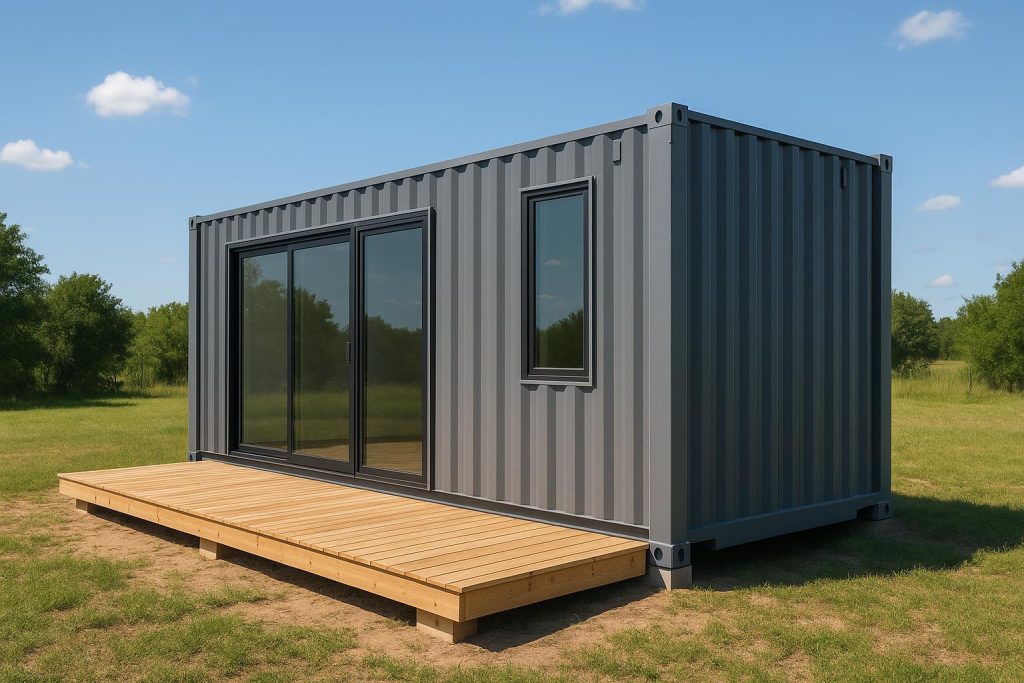
Shipping container home with rust-resistant exterior in a rural setting.

Essential Steps to Keep Your Container Home Dry and Corrosion-Free

When building a shipping container home, preventing moisture buildup and rust damage is crucial for ensuring a comfortable and long-lasting living space. Though container-grade steel is generally corrosion-resistant, factors like fluctuating temperatures, humidity, and improper ventilation can accelerate rust formation. Begin by thoroughly inspecting your container for any signs of existing corrosion or weak seals before you start any modifications. Rust spots should be sanded away and treated with protective primer and paint designed for metal surfaces. Properly sealing areas around windows, doors, and joints minimizes water intrusion. A consistent inspection schedule helps you address early signs of trouble before they escalate.

Ventilation is essential in controlling internal humidity. Adding vent panels or exhaust fans can help circulate air, reducing condensation on walls and ceilings. Meanwhile, choosing the right insulation—such as spray foam or foam board—creates a moisture barrier that keeps the interior dry while helping regulate temperatures. If you plan to add fixtures like bathrooms or kitchens, be sure to install water-resistant materials and seal around plumbing meticulously. Also, consider installing gutters or angled roofs to direct rain or snow away from the container, preventing pooling on the roof which leads to rust over time.

Regular maintenance is key to preserving the structural integrity of your container home. Routine checks for rust spots, peeling paint, or gaps in sealant can save you from larger repair costs down the road. If you notice any corrosion, remove it immediately and apply rust-inhibiting coatings. Over time, reapplying protective paints and sealants is wise, especially if you’re located in areas with harsh weather. When selecting a high-quality container for your custom project, make sure to work with reputable providers. For more information on durable options, you can explore Container Sales. With careful planning and continued upkeep, you’ll enjoy a functional, rust-free container living space for years.

Related FAQs

Maximizing Living Space by Stacking Containers Many people explore stacking multiple shipping containers to create extra living space, whether for a fully functional home or an on-site work area. Shipping containers are known for their durability, modular design, and cost-effectiveness, making them a popular choice for creative housing projects and commercial expansions. When considering a […]

Ensuring Proper Ventilation for Your Shipping Container Home A shipping container home offers a unique way to create a modern, compact living space. But while the steel structure is strong, it also traps heat and humidity if you donu2019t establish a proper ventilation system. The key is to allow fresh air in and moisture out, […]

Why Extra Insulation Matters for Shipping Container Homes Shipping container homes can be an innovative and eco-friendly housing choice, but when it comes to colder regions, extra insulation is a must. Because these homes are built using steel containers, the metal conducts heat and cold more readily than standard building materials, leading to temperature fluctuations […]

Typical Timeline for Constructing a Container Home Building a container home often appeals to people who want a unique and sustainable living space. However, many wonder how long the process typically takes. While the exact timeline can vary, building a container home generally spans a few months to over a year, depending on factors like […]

Long-Term Security in Shipping Containers Shipping containers have become a popular storage solution for individuals and businesses alike, and many wonder if they are secure enough for long-term use. The short answer is yes. Constructed from high-quality steel, these containers are designed to endure harsh maritime conditions, rough handling, and constant travel. As a result, […]

Why 40-Foot Shipping Containers Have Different Interior and Exterior Measurements A 40-foot sea can, often called a 40-foot shipping container, stands out as one of the most popular units for cargo transport and on-site storage. But when people ask “Does a 40-foot sea can have different interior and exterior dimensions?” the short answer is yes. […]