Practical Guidance on Long-Term Storage of Valuable or Sentimental Items in a Seacan
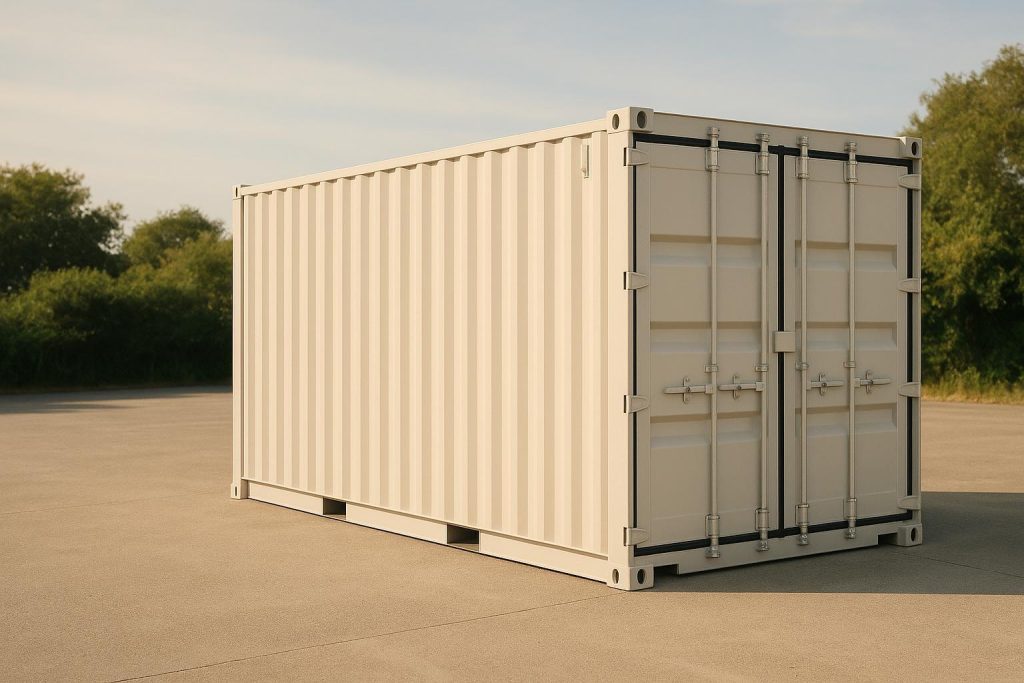
Seacans, commonly referred to as shipping containers, are known for their durability, versatility, and robust construction. They have become a popular option for individuals and businesses seeking a safe and secure method of storing a wide range of belongings, from furniture and equipment to personal memorabilia. Yet when it comes to valuable or sentimental items—family heirlooms, collectibles, important documents, and other cherished possessions—many people wonder how well these metal containers can protect all that matters most over a long span of time.
This detailed resource is designed to answer your questions about seacans and help you store valuable items with confidence. We’ll explore why seacans are frequently chosen for long-term storage, what factors to keep in mind, and which steps will help safeguard delicate goods from temperature swings, humidity, and other potential risks. We’ll also cover practical suggestions for security, ventilation, and more. By the end, you’ll have a solid foundation for deciding whether a seacan (or perhaps another storage solution) is the right fit for your long-term needs.
Why People Choose Seacans for Long-Term Storage
Before looking at technical considerations, let us consider some of the reasons that seacans are often used—and trusted—for storing valuables and other belongings:
- Durability: Built from high-grade steel, seacans are designed to endure challenging conditions on the high seas. As a result, they can withstand heavy impacts, wind, and even severe storms. This durability gives peace of mind if you’re storing important items for years at a time.
- Security: A quality shipping container comes with strong locking mechanisms. Many owners also outfit their containers with additional security upgrades like lockboxes or tamper-proof seals to help ward off unauthorized entry.
- Versatility: Containers are available in several sizes—often 10, 20, 40, or even 53 feet in length. You can customize the interior with shelving or partitions to suit your layout needs. This adaptability is a big draw if you’re storing items with diverse shapes and sizes.
- Weather Resistance: Seacans are built to defend against moisture and harsh outdoor elements. If properly sealed and maintained, they can keep the contents dry and shielded from rain or snow. While not climate-controlled, a shipping container can still provide adequate protection with the right moisture and temperature control precautions.
- Cost-Effective: Purchasing or renting a shipping container can be less expensive than constructing a permanent storage structure. In many cases, you can also avoid the recurring fees of renting a more traditional type of storage unit.
- Mobility: If you choose a mobile storage option, your container can be delivered to your location and remain onsite until it’s no longer needed. For business owners or contractors, this portability simplifies logistics—no more shuttling back and forth to a fixed location just to access essential items.
These factors highlight why shipping containers are a popular choice when people are seeking flexible, no-nonsense solutions for long-term storage. However, storing truly valuable or sentimental items does require an extra layer of care and planning.
Potential Risks and Key Considerations
Although shipping container rentals can be highly reliable, there are some inherent risks to keep in mind, particularly when storing fragile or sentimental belongings:
- Temperature Fluctuations: Standard shipping containers are not climate controlled, meaning the interior will reflect external temperature changes. Temperature swings can warp wood, weaken certain plastics, and generally accelerate the wear and tear on sensitive materials like papers, fabric, leather, or even electronics.
- Humidity and Moisture: If moisture levels are left unchecked, humidity inside the container can rise and cause issues such as mould, rust, or mildew. Excess moisture can also lead to discoloration, paper damage, or rot. A container’s steel surfaces may even be prone to corrosion if humidity remains high.
- Condensation and Ventilation: Without proper ventilation, warm, humid air inside the container can condense on cooler surfaces when temperatures drop. Over time, this can encourage mould growth, musty odors, and potential deterioration of stored goods.
- Physical Impact on Fragile Items: Although shipping containers are sturdy, the items inside might shift if not properly secured—especially if the container is transported. Fragile or delicate things may crack, break, or otherwise degrade over the long haul if not adequately protected.
Understanding that these risks exist doesn’t mean avoiding container storage altogether. Rather, it underscores the need for various protective measures to keep humidity and temperature in check.
Practical Tips for Protecting Valuable or Sentimental Items
If you’re set on using a seacan for long-term storage of precious belongings, preparing correctly is your greatest defense. Below are strategies you can employ:
- Pre-Treat and Protect: Before you store wooden furniture or metal objects, consider applying protective coatings or waxes to seal the surface. Wrap items using breathable materials, such as padding or specialized moving blankets, to lessen friction and exposure to humidity.
- Add a Dehumidifier or Moisture Absorbers: If your container is equipped with a power source, portable dehumidifiers can help regulate moisture. Alternatively, using moisture absorbers like silica gel packs or other desiccants can keep humidity from getting out of control, especially in more humid climates.
- Ensure Adequate Ventilation: Proper airflow is essential in preventing condensation. Some container owners choose to install vents or fans to improve air circulation. Vent kits are especially helpful if you expect your belongings to remain inside for months or years.
- Elevate Your Items: Place pallets or shelving units on the floor to create space between your goods and the container’s surface. This helps reduce the chance of water damage if condensation or minor leaks occur. This elevation also promotes air circulation.
- Monitor Temperature and Humidity: When possible, install a simple monitoring system inside the container. A digital hygrometer or remote sensor can help you stay informed about changes in temperature and humidity, so that you can take prompt action if levels rise or fall beyond what’s considered safe.
- Pack Strategically: Store sensitive items in sturdy plastic bins or crates. Seal them carefully to further reduce the risk of moisture intrusion. Label everything clearly and keep an inventory, so you know exactly where each item is located if you need to remove it or do an inspection.
- Check Periodically: Make plan to open the container from time to time—especially at the start of a season change—so moisture can escape and fresh air can circulate. This also gives you a chance to check on your belongings, catching any issues like mildew early on.
Taking these simple yet effective steps can help minimize the downsides of a non-climate-controlled environment. The goal is to create the driest, most stable conditions feasible for your valued goods.
Maintaining a High Level of Security
Storing valuables in a shipping container also demands thoughtful security measures:
- Add a Sturdy Locking Mechanism: Most shipping containers come with a built-in locking bar. You can amplify that security by adding a robust padlock or a dedicated lockbox. Some cases merit the installation of tamper-proof lock systems for even greater protection.
- Position the Container Wisely: If your container is placed on your property, consider a well-lit location or an area that’s regularly monitored. The increased visibility can discourage unauthorized access.
- Inspect Your Container’s Condition: Occasionally, you’ll want to check for any signs of forced entry or tampering around doors, locks, or vents. Early detection of a potential weakness prevents bigger security issues down the road.
- Utilize Facility Security (If Applicable): If storing your seacan at a local self-storage yard or dedicated container facility, see if they provide onsite surveillance, fenced perimeters, or security staff. These added measures further deter theft, especially if you plan on storing expensive antiques or electronics.
Part of what makes a steel shipping container so appealing is its inherent sturdiness, but it never hurts to layer on additional security measures to protect what matters most.
Extra Steps to Maximize the Container’s Lifespan
While the primary purpose of a seacan is to add convenience and peace of mind to your storage plan, your container itself also needs a bit of care to ensure it remains structurally sound for as long as you need it. By prolonging the life of the container, you maintain a more stable environment for your stored goods.
- Address Signs of Rust: Rust spots, if caught early, can be sanded down and treated with a rust-inhibitive primer or paint. This proactive step keeps the integrity of the container’s steel intact.
- Check Exterior Seals: Shipping containers are generally designed to be wind- and water-tight, but harsh temperatures or prolonged exposure to the elements can compromise their seals. Inspect door gaskets, corners, and potential weak points, sealing any gaps with an appropriate sealant.
- Control the Surrounding Ground: Place your container on a level surface—preferably gravel or a concrete pad. Good drainage around the site prevents water pooling, which can undermine the base of the container and encourage corrosion. Avoid burying or stacking soil directly against the steel walls.
- Keep an Eye on Vents and Accessories: If you’ve installed vents or made any custom modifications, periodically ensure that everything is functioning correctly. Clear away leaves, debris, or anything else that can block ventilation and contribute to unwanted moisture buildup inside.
By following these maintenance basics, you can add years to the lifespan of your container and ensure it stays safe for storing sentimental or high-value objects.
Alternatives to Consider if You Need Specialized Conditions
Shipping containers are an excellent choice in many scenarios—especially for heavy equipment, furniture, tools, seasonal gear, or items that are generally resilient. But what if you have heirloom paintings, fine art prints, sensitive electronics, or materials that require an extremely stable temperature or humidity range?
In such cases, you could consider:
- Upgraded Container Modifications: Some people invest in partial insulation or specialized vents in their seacans. If you opt for container sales instead of renting, you could work with professionals to install features like partitioned sections, additional venting, or specialized interior treatments. This can be useful when you need near-climate-controlled conditions—but bear in mind that it will raise costs and often still doesn’t fully mimic a typical climate-controlled storage environment.
- Mobile Storage for Convenience: If you have to store items for a shorter time and want to load at your own pace, mobile storage might be helpful. This provides the container’s basic benefits and also makes it easy to keep the unit close by, so you can quickly remove or rearrange delicate items before they’re exposed too long to suboptimal conditions.
- Traditional Storage Units: If you only have a small collection of fragile valuables and do not want to outfit a shipping container with special measures, you may consider renting a traditional indoor self-storage bay, accessible for short-term or long-term situations. Each method has pros and cons, so it really depends on the scale and sensitivity of what you need to store.
If your most pressing concern is to manage delicate, temperature-sensitive belongings—like paintings or intricate wood instruments—then a shipping container used in conjunction with specialized protective measures might suffice for moderate periods. However, if continuous climate stability is non-negotiable, a standard seacan often requires significant modifications. It’s best to weigh cost, convenience, and the exact level of control you need.
Making the Most of Container Delivery and Setup
When storing your items in a seacan, the delivery and setup process should be straightforward—particularly if you choose a storage provider experienced with container delivery. Here are some pointers to help you get the most out of the process:
- Plan the Drop-Off Site: Identify a level, well-drained space with enough clearance for the truck or trailer that will deliver your container. Make sure there is ample room for the driver to maneuver.
- Coordinate Timing: If storing items sensitive to temperature, consider the season in which you’ll load them into the container. Some people prefer loading during milder months to reduce the risk of exposing items to extreme heat or cold in transit.
- Consult Local Regulations: Depending on your municipality, you may need permission to place a shipping container in a residential area or business lot. Check local rules and regulations in your region—whether it’s Edmonton, Sherwood Park, or another community—just to ensure you’re allowed to keep a container on-site long-term.
When you do your homework, you can ensure a smooth drop-off and set yourself up for minimal hassle. A proper foundation and location not only improve convenience but also help preserve the container and its contents.
Conclusion: Keep Your Special Items Protected
Yes—seacans can certainly be suitable for long-term storage of valuable or sentimental items, provided you’re willing to take the right precautions. The key is recognizing that a standard metal container isn’t automatically climate-controlled or immune to humidity. With that in mind, steps such as optimizing ventilation, removing moisture, closely monitoring temperature, and bolstering security measures can help create a reliable environment for items that matter most.
Even though shipping containers can’t fully replicate a strictly regulated temperature and humidity environment, they do deliver ample space, robust protection, and the convenience of an on-site storage solution. If you’re uncertain about the specific requirements for your valuables, you might explore different approaches, ranging from specialized container modifications to more traditional self-storage bays, depending on your level of needed climate control.
Overall, a shipping container remains one of the most practical and versatile ways to store goods, whether you’re packing away treasured family keepsakes or stowing business assets securely. With simple yet thoughtful measures—like adding moisture absorbers, installing venting systems, and regularly inspecting your container—you can guard against many of the potential pitfalls of long-term storage. That allows you to take advantage of the container’s robust, cost-effective infrastructure while ensuring that your cherished possessions emerge free of damage.


