
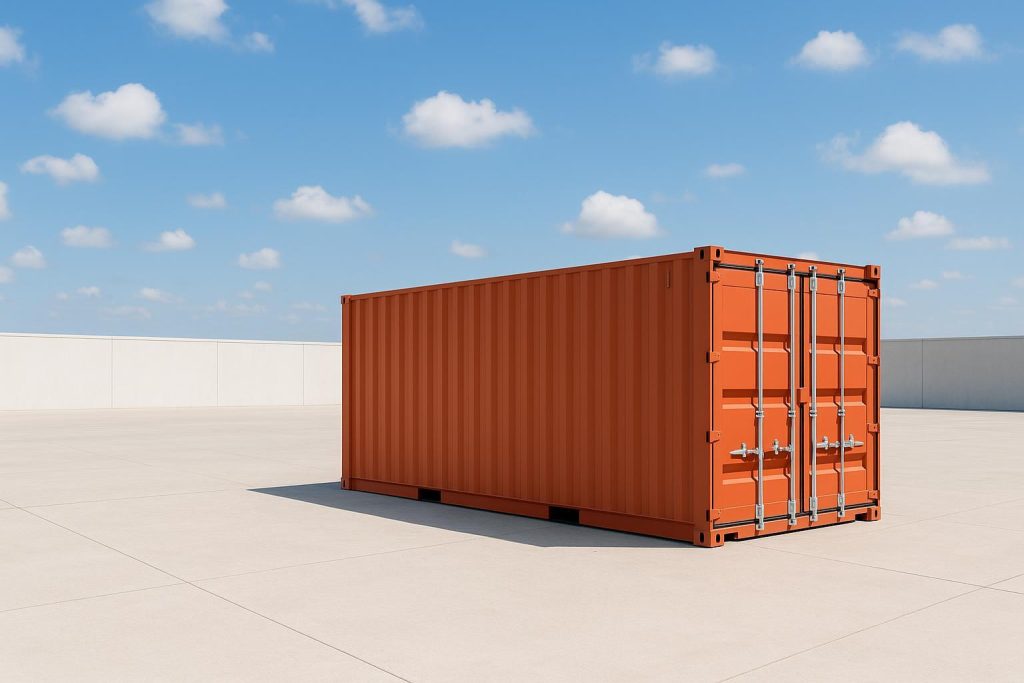
Understanding the Weight of a 20-Foot Shipping Container
If you’re curious about how much a 20-foot shipping container weighs—or if you’re considering buying or renting one—there are plenty of practical details to explore. A 20-foot shipping container, also called a standard container or twenty-foot equivalent unit (TEU), is popular for many reasons. It’s relatively easy to place, has enough space for most storage needs, and offers a robust, wind- and water-tight design. Whether you need a container for business storage, moving, or a temporary project at home, it helps to know how weight factors into the equation.
1. The Basics: Empty Weight and Load Capacity
Most 20-foot shipping containers weigh about 5,000 pounds (roughly 2,268 kilograms) when empty. You may see this referred to as the “tare weight.” While this figure can vary depending on the manufacturer and the body style, standard steel containers still hover around this empty weight. In terms of load capacity, many 20-foot containers can safely carry up to about 44,000 pounds (19,958 kilograms) of goods, though some are rated slightly higher or lower.
Here’s what to keep in mind about the weight of a 20-foot container:
- Tare Weight (Empty Weight): ~5,000 lbs. This includes the walls, floors, and frame of the container itself, typically made of weather-resistant steel.
- Maximum Cargo Weight: ~44,000 lbs. This capacity depends on how the container is transported—lifted by crane or moved via forklift—plus the structural strength of the specific container.
- Gross Weight: The total weight of the container plus any cargo inside. You can calculate this by adding the tare weight and the cargo weight.
Since many people use 20-foot containers for storing excess furniture, tools, seasonal equipment, or even business inventory, the total load capacity is often more than enough. However, it’s wise not to exceed the container’s rated limits to ensure safe transport and to comply with local regulations.
2. Why Container Weight Matters
It’s easy to wonder why the exact weight of a shipping container is so important. After all, isn’t the main goal to simply have enough space for your belongings? In truth, weight plays a big role in safety, moving logistics, and structural stability:
- Transport and Delivery: When you schedule container delivery to your location, the shipping company or storage provider must plan for the right equipment. If a container is significantly heavier than expected, different trucks, cranes, or forklifts might be needed to load and unload it safely.
- Site Placement: Because a 20-foot container can weigh thousands of pounds, ensuring you have a sturdy, level surface will preserve the container’s structural integrity. An unsteady or weak surface can cause tilting or sinking, potentially putting both the container and its contents at risk.
- Compliance and Permit Requirements: Some municipalities have weight restrictions for containers placed on public roads, or for certain driveways and property types. Knowing the weight helps you check with local guidelines to see if you need any approvals.
- Durability and Security: By understanding how heavy these containers can be, you get a sense of how much they can withstand. The thick steel walls and robust frames are trusted for keeping valuables safe from weather, pests, and curious onlookers.
3. Variations in Container Weight and Material
Although the typical tare weight of a 20-foot container is around 5,000 lbs, certain models might weigh less or more. This often depends on:
- Construction Material: Most standard shipping containers are made of CORTEN steel, which is both strong and corrosion-resistant. However, older or specialized containers may use different grades of steel or aluminum. While aluminum containers can weigh less, they’re less common for heavy-duty usage.
- Additional Features: Some shipping containers come with modifications such as interior shelving, double doors, or added insulation—though standard cargo containers generally do not include climate-controlled features. Every added layer of material can slightly increase overall weight.
- Container Age and Condition: An older container that has undergone repairs—such as patching or reinforcement—might weigh more than a brand-new model if thicker replacement steel plates have been welded in.
For those shopping around, knowing these details will help you decide whether a new, used, or specialized container is your best fit. In busy areas like Edmonton, St. Albert, Spruce Grove, and Sherwood Park, there’s a range of steel containers available, allowing you to choose the style or weight class that aligns with your needs.
4. Key Advantages of 20-Foot Containers
Although the weight of a container is relevant, it’s not the only reason these containers remain popular. Here are a few additional benefits of choosing a 20-foot shipping container:
- Compact Yet Spacious: A 20-foot model offers about 1,160 cubic feet of interior space—enough for furnishings from a small apartment, a sizable run of business inventory, or a wide array of tools.
- Mobile or On-Site Uses: A container of this size is easy to move by flatbed truck or specialized equipment, so you can relocate it if your job site changes or if you want to keep it permanently at your home.
- Cost-Effective: Compared to bigger models such as 40-foot containers, a 20-foot unit is typically more affordable. It’s also simpler to heat or insulate if you’re making minor modifications.
- Flexible Rental or Purchase Options: Many storage providers offer 20-foot containers as rentals for short or long-term usage. If you prefer the convenience of owning, used and new units are often available for direct purchase from local container sales providers.
- Wind- and Water-Tight Build: The steel design offers protection from harsh weather conditions, so you have a resilient place to store your belongings. This makes 20-foot containers a built-to-last option in wetter or colder climates.
5. Common Uses for a 20-Foot Shipping Container
Shipping containers aren’t just for transporting goods across seas. Thanks to their robust build and manageable weight, they serve countless purposes:
- Home Renovation Storage: A 20-foot container can provide a secure spot for furniture, appliances, and valuables when renovating your living space. You can keep items safe on your schedule without juggling multiple trips to faraway storage facilities.
- Business Inventory: Small and mid-sized companies often rely on containers to store seasonal stock or overstock. The container keeps items safe from theft, wind, or water, and can be easily relocated to align with business needs.
- Equipment and Tool Storage: Contractors, landscapers, and tradespeople use these containers to keep expensive tools and machinery protected. The stable steel frame and lockable double doors offer a hassle-free solution to on-site security concerns.
- Temporary Job Site Office: With simple modifications, a 20-foot unit can become a practical on-site workspace for contractors, engineers, or project managers who need to oversee projects daily.
- Personal Workshop or Hobby Space: If you’ve ever dreamed of having a dedicated workshop for woodworking, art, or other hobbies, a repurposed container might be an answer. Since it’s delivered to your location, you can set up your workspace wherever it’s most convenient.
6. Managing Loading and Unloading
The process of filling a 20-foot container with furniture, business equipment, or household goods can be straightforward. However, the best practices below help protect both your items and the container:
- Distribute Weight Evenly: Rather than placing all heavy equipment on one side, spread your heaviest items throughout the container. This balanced approach reduces undue stress on the floor.
- Secure Items Properly: Invest in sturdy straps or tie-downs so that your belongings don’t shift in transit. Even if the container travels just a short distance, sudden stops can cause items to tip or move.
- Use Pallets or Flooring: Placing delicate items on pallets can create airflow and add a layer of security in case of minor spills. It also helps keep your items a bit more organized.
- Plan for Access: Think carefully about which items you’ll need to retrieve first. If you’re storing your possessions for an extended period, you might want to keep essentials near the container doors.
- Avoid Overloading: Remember that a 20-foot container can hold thousands of pounds, but exceeding recommended limits can reduce safety and potentially damage the container.
7. Renting vs. Buying a 20-Foot Container
When deciding whether to rent or purchase a 20-foot shipping container, weigh factors like project length, budget, and how you plan to use it:
- Short-Term Projects: Renting is often the simpler choice if you only need the container for a few months. Many providers offer flexible, no hidden fees rental agreements that include drop-off and pick-up.
- Long-Term or Permanent Solutions: If you envision using the container as a permanent fixture—even turning it into a workshop or office—buying one may be cost-effective over time. You’ll also have more freedom for modifications.
- Condition of Containers: Both new and used containers can meet your needs. Used containers often have minor cosmetic wear yet remain wind- and water-tight. New containers might cost more but offer the cleanest appearance.
- Delivery Logistics: Whether renting or buying, it’s wise to schedule professional Container Delivery that suits your property’s layout. Reliable local services can deliver the container on your schedule with minimal hassle.
8. Where to Find 20-Foot Shipping Containers
Local providers often maintain a diverse inventory of steel storage containers. Look for a trusted operation that clearly states its pricing and services. If you prefer in-person browsing, you could reach out to a facility that offers on-site viewing. Or if speed is your goal, an online inquiry is a good starting point. Be sure to note:
- Service Area: Some businesses deliver containers to Edmonton and nearby areas such as St. Albert, Spruce Grove, or Sherwood Park with a range of flexible drop-off slots.
- Product Offerings: Some providers have a wide selection from basic cargo containers to specialized office units. If you need modifications like extra doors or added vents, find out if they can accommodate these requests.
- Reputation: Worried about integrity and honesty? Check if the provider has a track record of helpful service and local reliability. A well-maintained container can serve you well for years to come.
9. Handling the Logistics of Heavy Containers
A major advantage of a 20-foot container is that it remains relatively simple to transport, especially compared to its 40-foot counterparts. Even so, planning is still essential. Here are a few suggestions:
- Check Clearance: Inspect paths, gates, or overhead lines on your property to ensure a delivery truck can place the container without obstruction.
- Level the Ground: Concrete slabs are often ideal, but a well-packed gravel surface can also support a container. Proper leveling helps avoid warping the container’s frame.
- Choose the Right Equipment: Some smaller trucks or specialized vehicles can manage a 20-foot container. Just confirm the weight restrictions with your service provider beforehand, especially if your container is fully loaded.
10. Tips for Maintaining Your Container
A steel shipping container doesn’t require a huge maintenance effort, but it’s still wise to regularly check for potential issues:
- Inspect for Rust: Even though containers are built to last and made from corrosion-resistant steel, scratches can turn into rust spots over time. Sanding and repainting those spots helps preserve the container’s integrity.
- Lubricate Hinges and Locks: Months or years of exposure can cause door components to stick. Prevent this by applying a little lubrication every so often.
- Keep the Roof Clear: Leaves, branches, or debris on top of the container can attract moisture. Sweeping off the roof regularly takes just a few minutes and helps prolong the container’s life.
- Check Door Seals: A dry container interior is crucial. If you find worn gaskets, consider replacing them to maintain a tight seal against wind and water.
11. Considering Self-Storage Alternatives
Sometimes, a 20-foot shipping container might feel too large or too heavy for your needs—especially if you’re storing only a few items. In that case, some providers offer Self Storage options where you can rent an indoor unit instead. These facilities often include gated entry and local on-site security, ideal for those who want a smaller space. If you’d prefer the convenience of bringing the container right to your driveway, though, the 20-foot container remains one of the most popular, practical choices.
12. Finding a Hassle-Free Solution
All in all, a 20-foot shipping container offers a compact yet spacious design for storing or moving a range of items. Its weight—around 5,000 pounds empty and up to 44,000 pounds fully loaded—makes it manageable for transport, while still packing plenty of muscle for heavier goods. When you’re ready to make a decision, focus on providers that spell out pricing clearly and never tack on hidden fees. Whether you’re renting short-term or interested in Container Sales for more permanent solutions, it’s wise to choose a team that’s transparent, reliable, and ready to help.
Ultimately, the key is to ensure you have the right container weight and capacity to keep your cargo safe. From home renovations to business expansions, there’s a reason the 20-foot shipping container remains a trusted solution. If you have any further questions—from load limits to delivery options—reaching out to a local provider ensures you get the right container at the right price. With the proper setup, you can enjoy the peace of mind that everything you store is secure, dry, and accessible whenever you need it.


