Essential Guidelines: What You Shouldn’t Leave in a Storage Unit
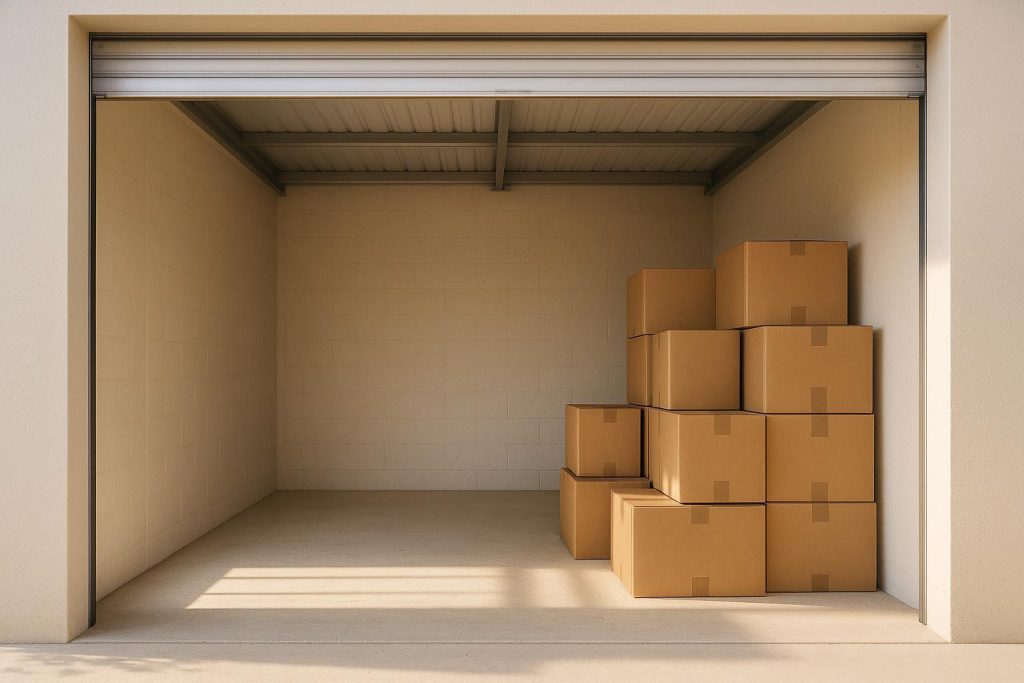
When you’re looking for a safe and practical way to store furniture, belongings, or job site tools, a storage unit seems like the perfect solution. Whether you’ve reserved an indoor Self Storage space or opted for Container Rentals to keep equipment close at hand, placing items in storage is often an excellent way to free up space and reduce clutter. However, there are a few items best kept out of your storage unit for everyone’s safety, convenience, and peace of mind. In this comprehensive guide, we’ll discuss what you should never leave in a storage unit and why avoiding these items is crucial. By following these guidelines, your belongings stay safe, remain in good condition, and meet any local laws or facility policies.
1. Perishable Food Items and Plant Materials
Why Avoid Them? Storing perishable items such as raw or cooked foods is a universal no-go. These items can easily spoil, leak, or attract unwanted pests like rodents and insects. Plants, which are living things, also aren’t a good fit for storage. Without proper light or ventilation, they will wilt and die, creating foul odors and possibly mold or mildew that can affect nearby belongings.
Possible Risks:
- Infestations: Rotting food and plant materials attract insects and rodents, leading to possible infestations throughout the facility.
- Odors and Mold: Perishables break down quickly when left unattended, causing unpleasant smells and encouraging mold growth that could spread beyond your individual unit.
Safe Alternatives: If you have leftover canned goods or want to keep certain non-perishable foods (such as sealed freeze-dried products), confirm with your storage provider whether they allow it. Storing potted plants at a friend’s home or an alternative climate-controlled environment is far safer. For any large bulk items or supplies that don’t spoil quickly, a spacious container rental might be suitable—just ensure the items meet the facility’s guidelines.
2. Hazardous and Flammable Materials
Why Avoid Them? Gasoline, propane tanks, oil, paint, and chemicals used for cleaning or landscaping are all examples of items that pose a significant risk when kept in enclosed spaces. These substances can leak, ignite, or explode under certain conditions. The laws prohibiting hazardous materials vary, so it’s important to familiarize yourself with local regulations.
Possible Risks:
- Safety Hazards: Flammable liquids and gases can start fires or create chemical hazards.
- Regulatory Issues: Storing certain chemicals in a self-storage facility could go against safety codes or local laws, resulting in fines or legal repercussions.
- Damage to Other Units: A fire or chemical leak can spread quickly, affecting neighboring storage units and potentially causing extensive damage.
Safe Alternatives: Typically, it’s best to keep any flammable or potentially harmful substances in an appropriate storage area designed for those materials—like specialized facilities with ventilation or containers specifically rated for chemical containment. Be sure to check with your local household hazardous waste facility for disposal or storage guidelines. If you’re unsure, inquire with the self-storage provider or a specialized disposal service before taking any risks.
3. Living Beings: Pets, People, and Prohibited Creatures
Why Avoid Them? It might sound obvious, but living beings of any kind—pets, insects, or even yourself—cannot occupy a storage unit. Storage facilities are designed to safeguard inanimate property, not provide living conditions. Units lack proper ventilation, light, and climate control that animals and humans require to remain safe.
Possible Risks:
- Animal Cruelty: Leaving pets or any living creature in a storage unit is inhumane and illegal in almost all jurisdictions due to health and safety regulations.
- Health Hazards: A lack of proper ventilation and extreme temperatures can lead to suffocation or heat stroke, posing fatal risks to animals and humans alike.
Safe Alternatives: If you need lodging for pets, rely on kennels, pet-sitters, or friends. Under no circumstances should a storage facility be used as a living solution for people or animals. If you need an extra workspace or secure environment, look for authorized modifications or specialized facilities that meet your local bylaws.
4. Illegal or Stolen Goods
Why Avoid Them? Self-storage facilities cannot legally store stolen or otherwise illegal products. While many operators uphold a “don’t ask, don’t tell” stance regarding what you keep behind locked doors, it’s important to remember that facility owners cooperate with law enforcement. If illegal items are found in your unit, the authorities can intervene, leading to investigations, fines, and other penalties.
Possible Risks:
- Legal Consequences: Storing stolen property or illegal substances can result in arrest and prosecution.
- Facility Liability: If a facility learns of illegal activity, they may terminate your rental agreement with immediate effect.
Safe Alternatives: There is no workaround for storing illegal or stolen goods. Follow the law and avoid using a storage unit to house anything that isn’t legal to possess or that you don’t rightfully own.
5. Weapons, Explosives, or Ammunition
Why Avoid Them? The rules about storing firearms and ammunition vary by region, but firearms and explosives typically have strict guidelines and are often disallowed in a standard self-storage or mobile container setting. Ammunition, gunpowder, fireworks, or any explosive materials are not only hazardous but often prohibited by storage facility policies.
Possible Risks:
- Security Issues: Firearms can be stolen if not properly secured, posing a danger to the public.
- Legal Concerns: Improperly storing weapons or explosives may violate local regulations and compromise the safety of other tenants.
Safe Alternatives: Follow the local laws and codes about weapon storage. Often, firearms should be stored in locked safes at home or specialized gun storage facilities that meet recognized safety standards. Consult law enforcement or licensed professionals for guidance if you have questions on safely storing these items.
6. Sensitive or High-Value Personal Documents
Why Avoid Them? Important documents such as birth certificates, Social Security information (if you’re in the United States), passports, or sensitive medical records contain critical personal data. Even in a secure, gated facility, there’s always a remote chance of theft, damage, or misplacement. Storing these documents off-site can lead to delays if you suddenly need quick access.
Possible Risks:
- Identity Theft: If sensitive information is compromised, you could face significant financial and legal issues.
- Inconvenient Retrieval: If you urgently need these documents (e.g., for travel or loan applications), you may find it inconvenient to visit your storage unit, especially if it’s located far from home.
Safe Alternatives: Keep copies or digital scans in a locked filing cabinet at home or store originals in a safety deposit box at your bank. If you must place certain sensitive files in storage, use a locked container within the unit and ensure you have quick access whenever necessary. When in doubt, consider storing duplicates off-site so you always have a backup if one copy goes missing or is damaged.
7. Extremely Valuable or Irreplaceable Items
Why Avoid Them? Your storage unit might have surveillance and locks, but for items that are priceless to you—heirlooms, antiques, or one-of-a-kind collectibles—having them in an off-site location can cause anxiety. Moreover, standard storage insurance might not fully cover high-value objects if they’re lost, damaged, or stolen.
Possible Risks:
- Minimal Insurance Coverage: Many storage facilities offer only limited coverage, and you could be responsible for additional insurance if you store exceptionally valuable pieces.
- Risk of Breakage: Fragile antiques like mirrors, ceramics, or glass can accidentally be broken if a neighbor improperly handles or stacks their items, or if you make an error during your own packing process.
Safe Alternatives: If you choose to keep valuable items in storage, inspect the coverage offered and consider securing third-party insurance. Thoroughly pack and protect fragile items in sturdy, well-labeled containers. Some people with rare collections store them at home in locked safes or secure, climate-controlled facilities (if required for preservation). When in doubt, ask the storage provider about best practices for extra safety measures.
8. Wet or Damp Items
Why Avoid Them? Damp or waterlogged items can lead to mold and mildew growth. Whether it’s a recently cleaned tent or a piece of furniture that you just wiped down, stowing an item that hasn’t had enough time to dry can create long-term issues.
Possible Risks:
- Mold and Mildew: Moisture in a confined space encourages fungal growth, risking damage not just to that piece but to everything else in the unit.
- Odor: Damp clothes or fabric can become musty. This smell often spreads to other items, complicating cleanup efforts in the future.
Safe Alternatives: Always ensure your belongings are completely dry before placing them in storage. Consider using moisture absorbers or desiccant packs to reduce humidity if you live in an area prone to high moisture levels. If you plan on storing furniture for a longer term, you could look into portable Mobile Storage options that allow you to load and unload at your own pace, ensuring everything is properly dried before sealing it up.
Bonus Tip: Double-Check Your Facility’s Policies
Each storage provider may have a unique set of policies, and it’s always a best practice to confirm them before signing a contract. Ask about what’s allowed, what’s explicitly banned, and whether certain areas of the property are designated for specialized uses. If you have items that aren’t strictly prohibited but could be questionable—like power tools containing small amounts of fuel—clear it with the facility team. This proactive approach helps avoid misunderstandings or potential policy violations down the line.
Ensuring a Safe and Efficient Storage Experience
As you prepare to load up your storage unit or mobile container, it’s crucial to follow these guidelines. Keeping prohibited or risky items out of your unit isn’t just about following the rules—from preventing pest infestations to avoiding legal trouble, a “no” list helps maintain peace of mind for everyone involved. If you’re not sure whether a specific item is permitted, always check with your storage provider first.
Choosing a reputable company with a secure, gated facility and on-site staff can also make a world of difference. Safety measures such as 24/7 monitoring, restricted keypad entry, or even staff-driven site patrols help ensure that your belongings stay protected. When you decide to move forward, be sure to store only the appropriate items, label your boxes clearly, and consider insurance coverage for added protection.
By following these recommendations, you’ll get the most out of your storage experience and keep your items in good shape. Whether you opt for a classic self-storage bay to store extra furnishings or one of the Container Sales options for a permanent on-site solution, knowing what not to leave in a storage unit is the first step toward safe, stress-free storage.


