Understanding Which Items Are Not Suitable for Storage Units
When looking for safe and reliable ways to store personal or business belongings, it’s helpful to know which items are best kept out of a self-storage unit or container rental. While most non-hazardous, non-perishable items can be stored without issue, certain categories of belongings can pose risks. These include items that are combustible, quick to spoil, or illegal, as well as anything that might attract pests or damage the unit. Keeping your storage area safe benefits everyone, ensuring you can rely on your chosen storage solution with confidence.
1. Hazardous or Flammable Materials
The first rule of thumb is to avoid storing anything that could ignite, explode, or produce harmful fumes. Most self-storage facilities, including those offering Self Storage and Container Rentals, have strict rules against storing hazardous materials. These can include, but are not limited to:
- Paints and thinners: These can become volatile in high temperatures and pose a serious fire hazard.
- Pesticides and herbicides: Chemicals used for pest control or gardening can leak, cause fumes, and contaminate surfaces around them.
- Gasoline, motor oil, or other fuel: Storing flammable liquids can result in fires, explosions, or dangerous vapors if containers aren’t airtight.
- Compressed gas or propane tanks: Pressurized containers are a no-go in self-storage since their release or rupture can cause explosions.
- Fireworks or ammunition: Fireworks and other explosives should not be stored, because a small spark could have grim consequences.
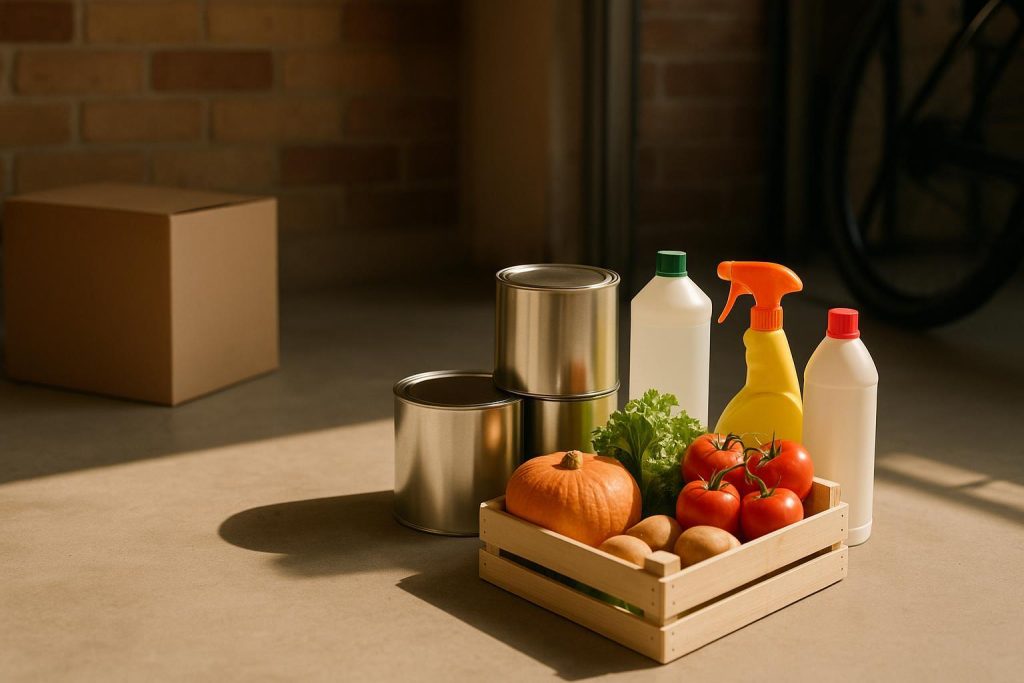
Only household cleaning supplies in sealed containers might be acceptable, but it is best to ask your storage provider in advance if you’re unsure.
2. Perishable Food, Produce, or Other Spoilable Items
Another category to avoid is anything that can spoil or attract pests. Foods of any kind—and sometimes even pet food—may lure rodents, insects, or other animals into your unit. Since most standard customer storage solutions aren’t equipped with refrigeration or climate controls, items like fruits, vegetables, frozen meals, or baked goods can rot, create unpleasant odors, and lead to mold issues. The presence of food waste could impact not only your items but neighboring units as well.
That also means that if you’re storing appliances like freezers or refrigerators, you’ll want to clean them thoroughly. Remove all leftover food and keep the doors slightly ajar to reduce the build-up of musty or stale smells. This effort helps keep your unit sanitary and preserves the integrity of your belongings while respecting the property of those around you.
3. Live Animals and Plants
Placing any living thing in a storage unit is not only inhumane but also outright prohibited. Live pets cannot survive in an enclosed space without proper ventilation, lighting, food, or water. The same goes for plants, which need sunlight, fresh air, and care to thrive. Introducing living organisms into a storage unit can cause a range of problems, from pest infestations to potential health hazards. Facilities in Edmonton, St. Albert, Spruce Grove, or Sherwood Park generally have similar guidelines. For the well-being of animals and the cleanliness of the facility, living beings simply have no place in storage.
4. Illegal Items or Stolen Goods
Reputable storage providers want to maintain a trustworthy environment for all customers. Illegal items of any variety—such as illicit drugs—are strictly prohibited. The same is true for stolen items. Facilities typically reserve the right to inspect units if there is reasonable suspicion of criminal activity, although they aim to maintain privacy for law-abiding tenants. Keeping questionable or unlawful objects in your storage unit could result in confiscation or even legal charges. The bottom line is that storage providers want everyone to enjoy a secure environment, free of legal complications or suspicious behavior.
5. Items of Exceptional Value or Sentimental Importance
While it’s not strictly illegal to store valuable or sentimental items in a standard unit, it isn’t always advisable. Traditional storage bays and containers do provide security measures like gated facilities, surveillance cameras, and sturdy locks. However, extremely precious items—such as rare antiques, high-value jewelry, or family heirlooms—may require additional security measures beyond what typical self-storage locations can provide. There’s always a small risk of theft, weather-related damage, or unforeseen accidents. Even though your provider might offer a safe environment, you should consider alternatives like safe deposit boxes or specialized security storage for one-of-a-kind valuables. If you must store particularly expensive or irreplaceable belongings, consult with your storage facility about insurance coverage and best practices to minimize risk.
6. Firearms or Explosives
Guidelines concerning the storage of firearms vary based on local regulations, but most facilities are hesitant to host firearms or any type of explosive. Even if firearms are not illegal to own, they come with liabilities—particularly if not properly secured. The potential for accidents, theft, or vandalism is a real concern to storage operators, who want safekeeping for customers and employees alike. If you have firearms that must be stored, it’s wise to contact a specialty facility or consult local laws on licensed firearm storage options.
7. Radioactive or Biological Waste
This might seem obvious, but it’s essential to note that items requiring special handling—like radioactive or biomedical waste—are banned from all typical storage solutions. In a medical or research context, these materials shouldn’t be placed in any environment that isn’t specifically designed to handle them. Even small amounts pose risks to public health and safety.
8. Damp or Wet Items
Even though many modern storage solutions are wind- and water-tight, storing damp or wet items can lead to mold, mildew, and water damage. If you’ve recently washed items like clothing, curtains, or furniture upholstery, it’s important to ensure they are completely dry before packing them away. High moisture content quickly fosters the growth of mold and mildew, which can spread to neighboring belongings. Proper drying and ventilation help protect your materials and keep the entire facility hygienic. This point is especially critical if you’re using Mobile Storage or container rentals that may sit on your property in unpredictable weather. A dry start ensures a mold-free outcome.
9. Unregistered Vehicles or Tires
Storing a car, boat, or motorcycle in your unit might be allowed, depending on the storage provider’s policies. However, unregistered or uninsured vehicles can be a gray area. Many facilities will only accept vehicles that are in working order, properly insured, and meet local registration requirements. This precaution helps the facility reduce liability concerns. Likewise, some providers limit the number of tires you can store because it may be difficult to dispose of them, and they can attract pests if not stored correctly. If you need clarity on vehicle storage options, be sure to speak directly with the facility.
10. Building Materials Infested with Pests
If you have lumber, drywall, or other building materials that have been exposed to termites, mold, or pests, think twice before placing them in a self-storage unit or container. Storing these materials can inadvertently introduce infestations that threaten other tenants’ belongings. Be sure that any construction or renovation materials are free from pest damage and properly dried before storage. This practice is a courtesy that keeps everyone’s belongings protected, including your own.
Protecting Your Unit and Others
Your storage unit often resides alongside many others. By respecting the rules for restricted items, you help create a safe environment. Avoiding prohibited or high-risk belongings helps prevent fire hazards, pest invasions, mold, and theft. This precaution keeps your personal items in top shape and preserves the cleanliness of the wider facility.
When you lease or rent a unit, take time to read any associated contract or guidelines. Many storage companies will have a comprehensive list of restricted items, and they’ll be happy to clarify any questions. Depending on your location and local regulations, certain restrictions may be stricter or more relaxed. Yet the universal theme is that each facility aims to safeguard stored property and uphold integrity in its business practices.
Alternative Storage Solutions
If you find yourself needing to store items that aren’t allowed in standard facilities, you might look into specialized services. For instance, those dealing with chemicals in a professional setting may investigate dedicated industrial warehouses with the right licensing. Others may decide to store valuables in bank deposit boxes or discuss specialized insurance policies. Regardless, do a bit of research to ensure you’re placing your items in an environment designed for that purpose.
If portability or convenience is your main priority, you can also consider renting a container and having it placed on your own property, as offered through Container Delivery. This approach doesn’t eliminate all restrictions—hazardous items are still unsafe—but it does mean you have easy ground-level access if you’re storing heavy possessions. Businesses that need daily or on-site access to large tools or inventory might find this arrangement especially convenient.
How to Choose the Right Storage Option
Not all storage solutions are the same, so choosing the right one can make the difference between keeping your items safe and running into problems. Consider the following questions before you commit to a storage unit or container rental:
- What items am I storing? Make a list of everything you plan to put in storage. Check whether any may be prohibited, and think carefully about valuables that might need extra coverage.
- How long do I need storage? Short-term users might be fine with a traditional self-storage bay. If you anticipate a long-term need—especially for a business—investigating more permanent solutions (like Container Sales) could save you money in the long run.
- Will I need on-site access? If you need frequent access, a convenient location or a delivered container might be best. Mobile Storage often suits those who need quick entry or who prefer to load and unload items at their own pace.
- What are the facility’s policies? Ask about insurance, security measures, pest control, and whether there are any penalties for storing prohibited items. A reliable business will be transparent about their guidelines and have no hidden fees.
By asking these questions, you can better understand which type of storage unit or container rental is a fit for your personal or commercial needs. A little planning goes a long way toward making your storage experience hassle-free and ensuring that both your items and others’ remain protected.
Final Thoughts
Being aware of which items are not suitable for storage units helps everyone involved: you, your fellow tenants, and the staff who maintain the facility. Prohibited items such as hazardous materials, perishable foods, and living creatures pose health and safety hazards, while invaluable keepsakes demand careful handling and possibly specialized coverage. When in doubt, ask for clarification so you can avoid any misunderstandings or penalties. Knowledgeable local providers work closely with you to confirm that your belongings are safe, whether you store them in a Self Storage unit or choose Container Rentals for tough, weather-resistant options.
Ultimately, it’s your responsibility as a renter to follow best practices. By understanding and abiding by the facility’s rules, you help maintain a trusted environment that is safe, clean, and ready to serve the community. The next time you consider a storage solution, keep this list of prohibited items in mind. If you have any questions about what can and cannot be stored, take a moment to reach out and Talk to Our Team—it’s the easiest way to ensure a smooth experience and the peace of mind you deserve.


