How Shipping Containers Maintain Their Quality for Reliable Rentals
Whether you’re renovating your home, planning a major move, or in need of extra storage space for business equipment, renting a shipping container can be a practical, hassle-free solution. Many people wonder if these units are truly durable or if signs of wear and tear could affect their contents. Below, we’ll explore how rental containers are maintained, what kinds of wear you might see, and why these containers remain secure, reliable, and built to last. By understanding these factors, you can make an informed decision when choosing a container for short-term or long-term use.
1. The Structural Integrity of Steel Containers
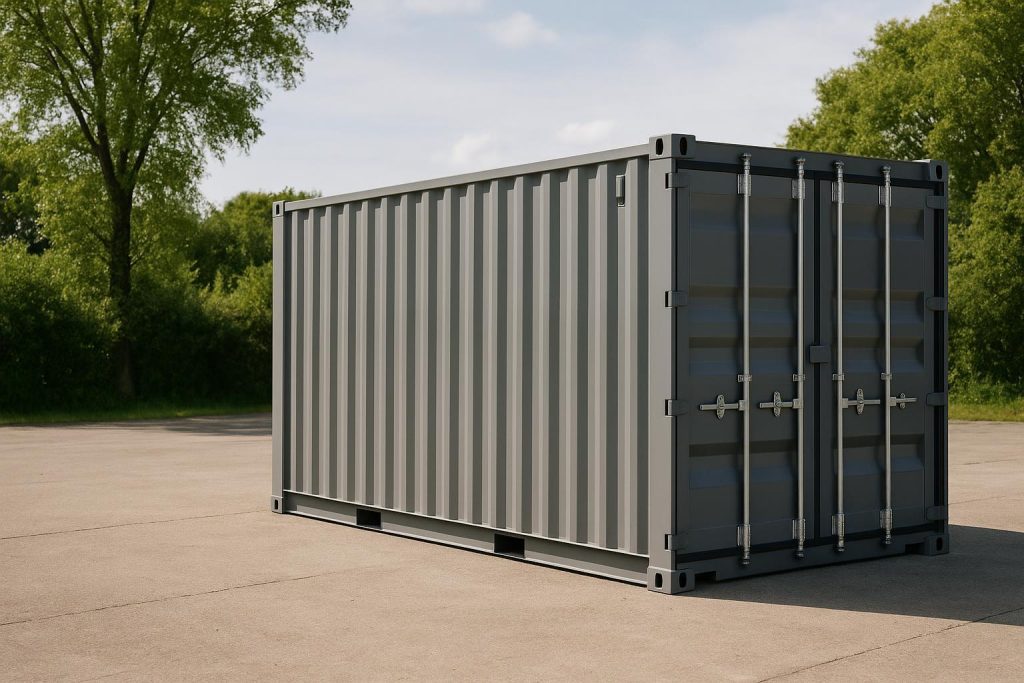
Shipping containers are engineered from heavy-duty steel, designed to endure extreme ocean travel and harsh conditions. Their core purpose has always been to protect cargo during international shipments, meaning they’re built to be wind- and water-tight and stand up to environmental stresses. This construction is what makes them an excellent option for on-site storage, whether for home or business needs.
Even if a container is not brand-new, most rental providers carefully examine the unit’s framework to confirm it can support weight and remain stable. The beams, corner posts, doors, and roof edges are all inspected for defects such as cracks or structural weaknesses. Regular quality checks help ensure that your container maintains its rigidity, meaning it can safely withstand stacking and the pressure of different climate conditions.
2. Inspecting for Wind and Water Tightness
One of the most essential qualities in any storage container is its ability to keep out the elements. Wind-driven rain, snow, and dust can damage items if the container isn’t well-sealed. However, most reputable rental services emphasize wind- and water-tight conditions as a top priority. Units are tested before rental to detect any vulnerabilities—like gaps in the door seals or minor pinholes in the walls or roof. Even the smallest hole can lead to moisture seeping in, so these checks are vital.
After checking, if structural or sealant repairs are needed, professionals may re-caulking door gaskets or patch tiny holes. By closing these gaps, the container remains suitable for long-term or short-term storage, protecting everything from household goods to construction tools and materials. This focus on weather protection is one reason container rentals are a trusted solution even in areas with challenging temperatures or quick weather shifts.
3. The Difference Between Cosmetic Damage and Structural Issues
When exploring container rentals, it’s common to come across minor dings, dents, or superficial rust stains. For most units, these blemishes are purely cosmetic. Shipping containers often earn their marks from years of travel and loading activities. While they might look worn, these aesthetic imperfections usually don’t harm the container’s fundamental strength or water-tightness.
In fact, many used containers remain a top choice for businesses and individuals seeking cost-effective storage. Rental providers typically classify units as cargo-worthy or wind- and water-tight, ensuring no underlying problems compromise what you plan to store. If you aren’t sure how to distinguish superficial wear from deeper issues, ask for a quality inspection report. A reputable rental company should be able to confirm that the unit’s structure hasn’t been compromised by rust, dents, or other signs of usage.
4. How Containers Are Cleaned and Prepared Before Rental
Prior to delivering a container to your property or job site, a provider will generally clear out any debris or residue from previous use. This involves thoroughly sweeping out dust, dirt, or leftover packing materials. If needed, the interior may even be pressure-washed to remove surface grime. By the time a container arrives at your location, it should be clean, free of odors, and ready for immediate use.
In addition to cleaning, routine checks of the doors, hinges, and locking components help ensure smooth operation. If a door sticks or a hinge loosens, it gets repaired or replaced. Rusty doors and jammed lock rods are addressed to improve security and usability. This way, you don’t waste time wrestling with damaged parts or worry about compromised locking systems.
5. Security Measures for Peace of Mind
Safety and security go beyond the steel walls of a container. Reputable rental services often encourage the use of specialized locks or bolt-on lockboxes to further deter unauthorized entry. These lockboxes enclose the padlock, making it harder for prying tools to gain access to the shackle. In many cases, the container doors also come with robust locking rods that clamp tightly. With these additional security features in place, you can rest easy knowing your items are protected.
For projects or belongings requiring extra caution, you can also discuss potential upgrades with your provider. Some people add internal shelving or special vents to improve airflow, but the fundamental security arrangement remains the lockbox and heavy-duty container steel. Whether you’re storing expensive equipment or personal mementos, these measures ensure reliable protection.
6. Long-Term Durability in Varied Climates
Shipping containers are used around the world, which means they’re designed to handle a wide range of temperatures and weather conditions. From scorching summer sun to cold Canadian winters, a properly-maintained container continues to keep your belongings secure. Remember, these containers are constructed to survive life at sea—facing intense salt air, storms, and constant handling. On land, especially in local environments, the wear and tear can be far less extreme.
That said, if you live in an area that experiences dramatic weather swings or heavy snowfall, it’s still essential to ask questions before you rent. Confirm the container has been recently inspected for leaks and that the doors function well. Rental providers often monitor regional climate demands and can make suggestions to better protect your items. For example, if you plan to store sensitive materials, talk with the provider about safe packing procedures and whether any extra protective measures might be helpful.
7. Used Containers vs. New Containers
Depending on your budget and needs, you can choose between a used or new shipping container for rent. A newer container will likely arrive with fewer cosmetic imperfections, boasting a cleaner exterior and interior. However, even a used unit that has traveled the seas or transported cargo in the past can still operate at top performance if it remains wind- and water-tight.
The key difference usually lies in aesthetics and price. Used containers are cost-effective and can be more readily available. Meanwhile, new containers may be more expensive but typically come with minimal wear and tear. In either case, the container rental provider’s inspection and maintenance process ensures what you get is safe, secure, and appropriate for storing your items.
8. Typical Signs of Use and How They Affect Storage
Curious about what “signs of use” actually mean in a shipping container? Here are a few common examples:
- Dents in Side Panels or Doors: This is normal from years of handling, loading, and unloading. Small dents usually don’t weaken the container’s frame or sealing capacity.
- Minor Surface Rust: Occasional rust spots can form where paint is chipped, but if they’re addressed early, they won’t pose a structural threat. Many container owners apply rust-inhibiting paint or patches.
- Scratches or Paint Fading: The original paint can fade over time under ultraviolet rays. While not the most attractive look, it does not reduce the container’s functionality in most cases.
As long as these cosmetic flaws don’t compromise wind- and water-tightness, they’re unlikely to affect your storage experience. Often, these units will have an internal floor made of marine-grade plywood or a similarly durable material, which is inspected for any soft spots or signs of water damage.
9. Tips for Maintaining Your Rental Container
Once a container is on your property, you can do a few things to keep it in optimal condition—particularly if you plan to rent it for an extended period:
- Regular Visual Checks: Check for standing water on the roof or near the door seals. Pooling water can speed up rust formation if left untreated.
- Keep the Doors Clean: Dust and debris can accumulate in the door track, so a quick wipe-down goes a long way in preventing jamming.
- Proper Drainage: Ensure there is good drainage around the container to mitigate pooling water. Placing it on a slightly raised or well-drained surface helps.
- Use Appropriate Locks: Invest in a sturdy padlock or discuss lockboxes with your rental provider to boost security. Secure locking ensures worry-free storage.
These simple steps help keep your container in the same good condition in which it was delivered, reducing any risk of damage fees and ensuring your items stay safe and clean.
10. Finding a Local Provider You Can Trust
Not all rental businesses maintain their containers with the same diligence. It’s essential to choose a local provider that upholds clear, transparent standards. If you’re in need of a secure container in or around Edmonton, look for a company that performs thorough inspections, repairs issues before delivery, and provides helpful support.
When researching your options, don’t be afraid to request a walkthrough of a unit or ask for pictures if you’re booking remotely. A responsible rental provider will be glad to highlight what sets their containers apart and explain their maintenance procedures. If you decide to explore container rentals for your specific needs, be sure to inquire about any lifetime maintenance policies or how often the units are reviewed for damage. Clear communication ensures there won’t be any unwelcome surprises once it’s dropped off on your property.
11. Delivery and Placement Considerations
Another aspect of a quality container is safe delivery and placement. Even a sturdy unit can face damage if it’s unloaded improperly. To avoid potential problems, partner with a rental business that offers reliable container delivery. These providers usually have the right equipment and trained drivers to position the container gently, preventing structural stress on the corners or risk to your surrounding property.
You’ll also want to communicate your desired container location beforehand. This includes pointing out any obstacles like fences, trees, or uneven ground that might complicate the drop-off. The provider can then plan the appropriate course of action, whether that’s using a tilt-deck truck, forklift, or specialty crane. Taking this extra step helps guarantee that your container arrives without any new dents or issues.
12. Suitable Uses for High-Quality Rental Containers
A well-maintained container can serve many applications without worry that your items will be compromised. Some common scenarios these units excel at include:
- Home Renovations: Keep furniture, tools, and materials out of the way but close enough to access on-site.
- Business Equipment Storage: Safely house extra inventory, equipment, or files in a locked container.
- Construction Sites: Secure valuable machinery, metals, or tools at the job site, ensuring quick daily access.
- Seasonal Storage: Clear out bulky items like patio furniture, display stands, or sports gear when they aren’t being used.
- Relocation: Use a container as a temporary staging area for items during a move, or opt for mobile storage if you want the flexibility of packing at your own pace.
By renting a container in good condition, you remove a lot of the guesswork. Your unit is ready for almost any storage challenge that comes your way.
13. Questions to Ask Before You Commit
To ensure you’re getting a container that meets your expectations for quality, here are a few questions worth asking a prospective rental provider:
- How often do you inspect your containers? Frequent inspections indicate a commitment to upkeep.
- Do you provide any guarantees on wind- and water-tightness? It’s good to confirm you’re safeguarded from leaks.
- What locks or security accessories are recommended? A provider that cares about safety will have lockbox or padlock suggestions.
- Are there any extra fees for cleaning or minor wear upon return? Knowing up front helps you budget and avoid hidden surprises.
- Do you offer delivery services? Opting for full-service container delivery can save you time and potential issues with transporting a large steel box.
Getting this information in advance helps you choose a container you’ll feel confident loading with your possessions.
14. Combining Quality with Convenience
From preventing the intrusion of harsh weather to providing robust security features, quality shipping containers are arguably one of the most dependable storage solutions for a wide range of needs. Their steel construction, regular maintenance, and thorough inspections all contribute to a trusted option that gives you peace of mind. When you rent from a provider that values cleanliness, structural reliability, and transparent service, you can focus on what matters—packing and storing your items—rather than worrying about the container’s condition.
If you discover that a temporary container rental just isn’t enough, you can also explore container sales for a permanent solution. Ultimately, the choice between renting, purchasing, or going with self-storage depends on your specific goals and timeframe. Knowing that containers are secure, properly inspected, and maintain their quality over time can help you decide confidently.
By asking the right questions, observing basic care practices, and choosing a local provider with a reputation for well-maintained units, you’ll find that rental containers are a strong ally in keeping your items safe and organized. Whether you need it for a quick move or a year-long construction project, rest assured that a high-quality container is up to the task.


