Understanding On-Site Storage and Its Benefits
On-site storage is the practice of keeping tools, equipment, supplies, or personal belongings directly at the location where they are needed—often a construction site, commercial space, or residential property. This approach offers convenience, security, and round-the-clock access to stored items, making daily tasks easier and more efficient. By having crucial items nearby, you can reduce travel time, maintain better control over your inventory, and stay on top of important projects without the hassle of going off-site.
Why On-Site Storage Matters
When you store your materials, tools, or other valuable goods on-site, you gain control over the organization of the workspace. This is especially important for trade professionals, builders, and homeowners who want quick access to resources. Other benefits include:
- Improved Efficiency: No need to transport items back and forth to an off-site location.
- Reduced Downtime: Workers save time, which translates into faster project completion.
- Inventory Management: It’s easier to track your materials when they’re always in sight.
- Security and Peace of Mind: Well-designed storage containers and locked enclosures help protect your items from theft or damage.
- Flexible Lodging of Equipment: On-site storage can be tailored to short-term or long-term needs, depending on the project duration.
By integrating on-site storage into your operations, you create a more organized environment that ultimately supports smooth, hassle-free work. Whether it’s a small-scale home renovation or a large commercial construction project, having direct access to essential items keeps tasks on schedule.
Types of On-Site Storage Solutions
The type of on-site storage you choose depends on factors like project scope, security requirements, space availability, and budget considerations. Below are some common solutions:
1. Storage Containers
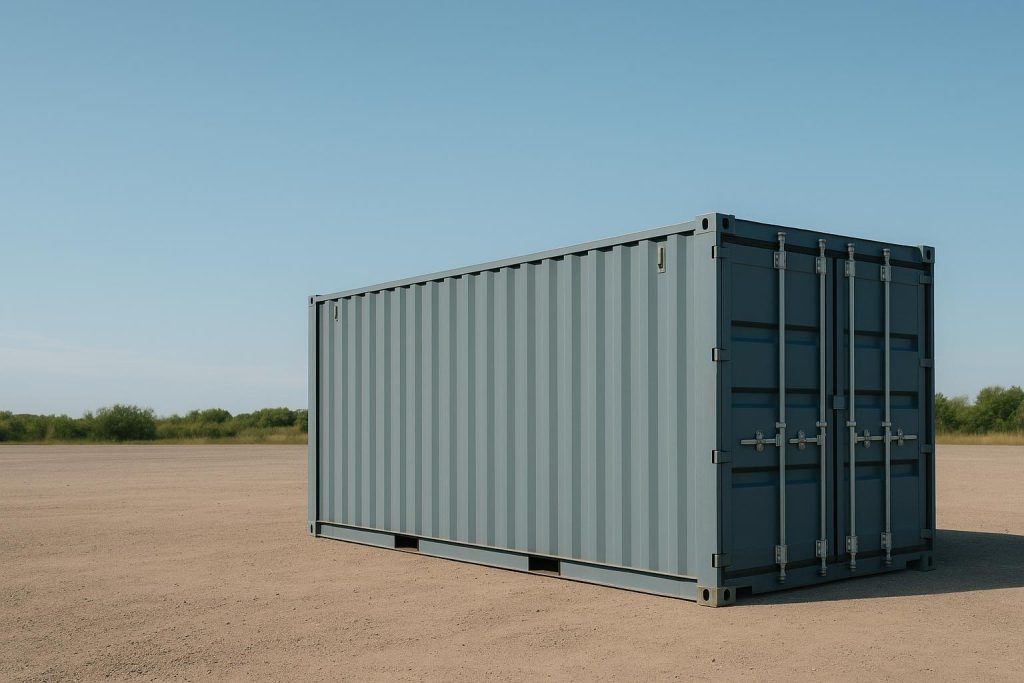
Storage containers can be delivered directly to your location, whether that’s a residential driveway, farm property, or bustling job site. These are typically constructed of steel, making them wind- and water-tight. Because they come in various sizes—like 20 ft, 40 ft, and 53 ft—storage containers can accommodate a wide range of needs, from holding household furniture during a renovation to safely housing expensive construction equipment.
Key Advantages:
- Durable and Weather-Resistant: Built to last, these containers won’t rust easily and can stand up to harsh conditions, including Alberta’s winters.
- Secure: They lock tightly, helping protect tools and supplies from theft.
- Flexible Placement: You can position them where it makes the most sense for your project, as long as you have enough space and the site is suitable for delivery.
If you need to rent a container for a construction site or to streamline your project workflow, you can choose short-term or longer-term options. This can be especially practical if you only need extra space for the duration of a specific project. Alternatively, for more permanent storage, you might consider purchasing a container instead of renting one.
2. Mobile Storage
Mobile storage containers typically come right to your doorstep (or job site). You can fill them at your own pace, lock them up for security, and keep them on your property or arrange for pickup and transport to a secure facility. This convenience helps if you’re moving between two locations, undergoing a renovation, or simply need the flexibility of on-demand storage. To learn more about how this works, take a look at mobile storage options.
3. On-Site Lockers or Sheds
For smaller-scale projects or personal use, some people prefer ordering or constructing a lockable shed or specialized storage locker. This offers an immediate place for storing power tools, painting supplies, bicycles, and other items that need to stay protected from the elements. While it isn’t always as spacious or secure as a steel shipping container, it can still serve simpler on-site storage needs. However, if your project grows or you need a truly secure enclosure, a container solution might be a better fit in the long run.
On-Site Storage for Construction Sites
Most large-scale construction projects require a lot of equipment: power tools, building materials, safety gear—you name it. Having everything in one on-site storage container can help eliminate the need to scatter these items across multiple places. Here are some reasons why it matters in the construction industry:
- Easy Access to Tools: Workers can quickly grab what they need without losing valuable time traveling off-site.
- Secure Storage: A lockable, tough container drastically reduces the risk of theft and vandalism, which is critical on open job sites.
- Better Organization: A clean, well-maintained storage unit on-site helps keep tools and supplies sorted by trade or phase of the project, which promotes safer working conditions.
- Cost-Effectiveness: By using one designated container, you can reduce potential damage to expensive materials that might otherwise be exposed to weather or tampering.
Many trades, like carpenters and electricians, rely on on-site storage solutions for daily operations. It’s not just about putting things away at the end of the day—it’s about being able to work efficiently the next morning, knowing that important gear is right where you left it.
On-Site Storage for Residential Projects
Homeowners also benefit from on-site storage. Let’s say you’re in the middle of a kitchen renovation. It can be challenging to keep power tools and materials in your living space. Renting a secure storage container can be the perfect temporary fix, allowing you to clear out valuable items while keeping them close at hand.
This arrangement maintains a sense of order in your home. You can stow large appliances, flooring materials, or debris safely out of the way. It also gives your contractor a centralized area to store supplies. Plus, it relieves stress—knowing that items are in one spot—instead of scattered in the garage, basement, or a friend’s spare room.
Ensuring Security
Security measures are crucial for on-site storage, particularly if you’re storing expensive equipment. Here are some best practices:
- Locking Mechanisms: Use sturdy locks designed for shipping containers to discourage unauthorized entry.
- Visibility and Lighting: If possible, place the container or storage unit in a well-lit area that is visible from your home or business.
- Inventory Checks: Create a checklist of stored items and do regular inspections to ensure nothing is lost or damaged.
- Added Barriers: Set up temporary fencing around the storage if you’re particularly concerned about theft or tampering overnight.
Being mindful about security can save a lot of headaches. Whether it’s power tools or personal belongings, you’ll want to protect them with robust locks and consistent monitoring, if possible.
Comparing On-Site Storage to Self-Storage Bays
While on-site containers keep your items right where you need them, self-storage bays offer an option for those who don’t have the ability to keep a container at their residence or workplace. If you lack sufficient space—or are located in a place that doesn’t allow container placement—an indoor unit at a self-storage facility may be a good compromise. Depending on your circumstances, either can be beneficial. For instance:
- On-Site Storage: Ideal for immediate accessibility, zero travel, and having everything in one place for the duration of a project.
- Self-Storage Bays: Great for folks with limited outdoor space or for those who need a more traditional approach that is monitored off-site.
In many cases, people use a combination of both, depending on what they need to store and how accessible it needs to be.
Choosing the Right Container
If you rely on on-site storage for your next project, be sure to pick a container that fits your specific requirements. Some factors to consider include:
- Size: 20 ft containers are popular for smaller jobs, whereas 40 ft containers offer more storage for large-scale projects or commercial inventory.
- Condition: Opt for a clean, well-maintained container that’s wind- and water-tight to protect against the elements.
- Project Duration: If you need the container only for a few weeks or months, it might be more cost-effective to rent. For ongoing or permanent storage, buying a used or new container could make more sense.
Deciding on the right size and rental or purchase plan often comes down to how much material you expect to store and how long you’ll need it. If you’re unsure, consider talking to a local provider who can guide you. For instance, you might discuss delivery options or advice on whether a 20 ft or 40 ft container suits your environment. Their local knowledge helps you find the most practical solution—one that keeps your items safe without paying for unnecessary space.
Tips for a Smooth On-Site Storage Experience
To get the most out of your on-site storage setup, keep these pointers in mind:
- Prepare the Ground: Make sure the surface (soil, driveway, gravel pad) can handle the weight of a container. Clear away debris or obstacles to allow straightforward delivery.
- Plan the Layout: Before placing the container, visualize how people and vehicles will move around it. You don’t want to block access routes on a busy job site.
- Organize the Interior: Shelving units inside a container or labeled bins help keep items easy to find. Store heavier things on the bottom and keep commonly used tools at arm’s height.
- Maintain Airflow: If you intend to store items vulnerable to moisture, consider adding vents or using moisture-absorbing products inside.
- Insurance and Liability: Check with your insurance provider or homeowner’s policy to clarify if your stored items are covered.
Common Projects That Benefit from On-Site Storage
On-site storage can be helpful in countless scenarios. Here are just a few:
- Home Renovations: Avoid cluttering your house by storing furniture, building materials, and belongings in a spacious container on your property.
- Moves and Relocations: Pack at your own pace using a mobile storage unit. Keep it in your driveway until you’re ready to move, or arrange for pickup and placement at your new location.
- Seasonal Storage: Safely stow patio furniture, snow blowers, or lawnmowers right on your property, freeing up internal garage or basement space.
- Construction and Contracting: House valuable tools, spare lumber, or project-related inventory for easy day-to-day access.
- Event Storage: Store tents, tables, and supplies near an event venue, which can save you the trouble of hauling large items back and forth.
Working with a Local Provider
When setting up on-site storage, it’s worth collaborating with a local company. Local providers typically understand the region’s climate challenges and can deliver containers promptly. They can also respond quickly if you run into any issues or need modifications. If you’re in the Edmonton area, for instance, you can look into container rentals from businesses that offer straightforward pricing and the option to upgrade or switch containers if your needs change. This ensures you’re getting exactly the service level you need—no hidden fees, no heavy-handed sales tactics, just practical help.
Maintenance and Care
One of the best things about containers for on-site storage is how low-maintenance they typically are. Even so, here are ways to keep them in great shape:
- Inspect Seals and Doors: Periodically check that they open and close smoothly and that any gaskets or seals remain tight.
- Keep the Area Tidy: Move debris, snow, or standing water away from the base of the container so it stays dry and accessible.
- Regular Cleaning: Though it may not need frequent scrubbing, sweeping out dust or spills helps preserve the interior condition.
- Monitor Moisture Levels: Adding vents or using desiccants can protect your belongings from the dampness that sometimes builds up, especially in humid conditions.
Final Thoughts on On-Site Storage
On-site storage puts convenience and security at the forefront. By keeping materials and equipment where you work, you can streamline tasks, cut down on wasted time, and keep your job site tidy. Because these containers are built to handle the elements, they can protect your belongings all year round. There are few better solutions that offer such direct control, whether you’re overseeing a construction site in need of tool management or a busy homeowner juggling a renovation.
Ultimately, on-site storage is about providing peace of mind and practical support. Knowing that your equipment is just a few steps away—and fully protected—can revolutionize the way you work, renovate, or move. At the end of the day, the best solution is one that fits neatly into your schedule and suits your space, letting you focus on getting the job done without worrying about where to store your essentials.


