What You Need to Know About a 10×10 Storage Unit
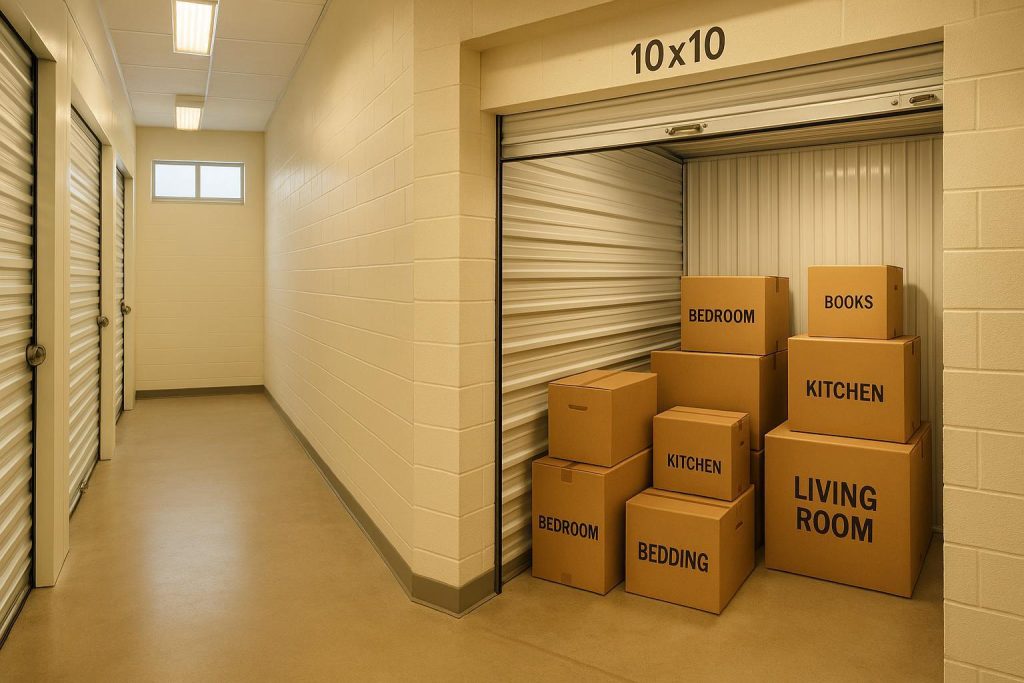
A 10×10 storage unit can be a practical, hassle-free way to increase the space you have available at home or in the workplace. It offers 100 square feet of floorspace, which is roughly half the size of a one-car garage, yet it can accommodate many of the most commonly stored items. If you want to move boxes out of your living room, safeguard furniture during a renovation, or stash office equipment out of sight, a 10×10 offers plenty of secure and convenient options. It’s not simply about fitting your items into a box, but rather about creating order in your life or business, allowing you to declutter and store the things that matter most while freeing up precious room in your everyday environment.
How Big is a 10×10 Storage Unit?
To picture the dimensions more clearly, imagine a small bedroom that measures 10 feet on each side. You can generally fit the contents of a one-bedroom apartment or about two average-sized rooms into that type of unit, depending on how you organize it. People often assume 10×10 units are only suitable for a handful of boxes, but in reality, they can hold multiple large-level furnishings, including sofas, dining tables, bed frames, and more. This size also provides some room for walking paths inside, which help you access your belongings later on without having to reorganize everything.
Because a 10×10 lies in a middle ground—bigger than small closet-sized units, but smaller than garage-sized 10x20s—it represents one of the most popular choices for anyone who needs flexibility and can effectively stack items. If you’re on the fence about whether your belongings will fit, it’s worth calculating how large your biggest furniture pieces are and how much you’ll need to move around once everything is inside. For many individuals, a 10×10 offers the perfect balance between capacity and affordability.
Typical Items You Can Fit in a 10×10
To better understand whether this type of unit meets your needs, let’s explore what kinds of items people commonly store. This list can help you visualize how a 10×10 might serve your situation:
- Furniture: Most living room sets can fit, as well as dining chairs, coffee tables, dressers, and bed frames.
- Boxes and Personal Belongings: Clothing, collectibles, and general household items can be organized efficiently using uniform boxes stacked properly.
- Appliances: Refrigerators, washers, and dryers can be placed in the unit if you currently have no need for them at home.
- Small Vehicles and Equipment: Riding lawnmowers, snowblowers, or motorcycles are often kept in a 10×10 during off-season months.
- Business Supplies: Small-office inventory, paperwork, and promotional materials, especially if you want to free up your main workspace for day-to-day tasks.
- Seasonal Items: Holiday decorations, summer furniture, winter sports gear, and camping equipment can be rotated in and out through the year.
Despite having so many possible uses, how you pack your belongings will significantly impact how much you can store. A bit of pre-planning can make your 10×10 feel like a space that is much larger than it seems on paper.
Maximizing Your 10×10 Unit
One of the most common concerns is how to get the most from the square footage without jumping to a bigger and pricier unit. The secret lies in your approach to packing and organization. Here are several tips to optimize your layout:
- Use Vertical Space: Don’t overlook the height of the unit. Sturdy shelving or stacked boxes let you store more items without cluttering the floor. Keep heavier boxes on the bottom and lighter boxes on top to avoid accidents.
- Disassemble Large Furniture: If a bed frame or table can be taken apart, do so to free up space. Wrap and label any bolts or fittings so reassembling is easier later.
- Label Everything Clearly: Put labels on each side of your boxes or containers. This practice ensures you can locate items quickly, even if boxes are stacked.
- Plan an Aisle: Try to leave a narrow walkway down the middle if you need frequent access. This approach helps you retrieve items from the back without having to shift everything around.
- Utilize Uniform Box Sizes: Boxes of the same dimensions can stack more effectively than an assortment of random-sized containers. This practice also helps ensure stable and secure stacks.
Simple strategies like these let you fit more belongings into your 10×10 than you might initially expect. You may realize that the unit can store not only your current overflow but also additional items you acquire in the future.
Who Benefits from a 10×10 Storage Unit?
Ten-by-ten units are especially popular with homeowners, families, and business owners. The reasons vary, but below are some common scenarios where a 10×10 can be a perfect fit:
- Individuals Moving or Relocating: When you’re between homes or you just need some time to settle, a 10×10 can hold everything from your bedroom set to your kitchen appliances.
- Homeowners Tackling Renovations: Renovation projects can disrupt your daily life, so storing large items like furniture and electronics off-site keeps them safe from dust and paint.
- Small Businesses & Entrepreneurs: If your home office is bursting with boxes of documents or product inventory, having an extra, secure space can streamline your workflow.
- Hobbyists & Collectors: People with large collections—whether it’s antique furniture, classic vinyl records, or comic books—often need a designated place to keep everything organized and protected.
Because 10×10 storage units strike a sweet spot in price and size, they meet the needs of a wide range of users. However, as you grow or if you need long-term storage for especially large or bulky items, you might find you require something bigger or more specialized.
Business Use Cases for a 10×10
Commercial clients can find a great deal of value in the 10×10 format. Whether you run a boutique, a small accounting firm, or a local contracting service, extra room to store materials is often critical. Here are some ways businesses use a 10×10:
- Storing Surplus Inventory: If you manage a retail store, there are times you bulk-order goods to get a better price or prepare for a seasonal rush. A 10×10 can hold these items conveniently until you need them.
- Archiving Documents: Paperwork, especially if you must keep older files for regulatory or legal reasons, can overwhelm your main office. Properly sealed and labeled, these documents fit neatly in a 10×10.
- Equipment or Overstock for Contractors: Contractors with multiple tools, building materials, or machines find it easier to store them off-site, especially during projects that don’t require constant use of every single piece of equipment.
- Promotional Materials: Banners, signs, and other marketing displays can be cyclical in nature. Rather than crowd your workspace, keep them in storage until they’re ready to make another appearance.
Choosing a 10×10 is a practical way to streamline daily business operations. Fewer boxes in your office or on your store floor means more efficiency and less clutter. Your team can focus on what they do best: serving customers and building your business.
When Seasonal Storage Matters
Living in a region with distinct seasons often means you have a rotating array of items—winter coats, showshoes, holiday lights, barbecue gear, camping supplies, and more. Rather than let these items fill up your basement, you can shift them in and out of a storage unit. The 10×10 size is big enough to accommodate large plastic tubs and bins of decorations, plus bulky gear like skis or life jackets.
When a new season comes around, simply do a swap—summer gear comes out, and winter gear goes in. By making this seasonal rotation, you’ll enjoy a more organized home that doesn’t force you to navigate around rarely used items. You can also apply this same concept to your business, especially if you rotate product stock or deal with seasonal equipment. Having dedicated space outside your regular work environment can create a smoother, more professional operation year-round.
Practical Tips for Packing Your 10×10
Packing doesn’t have to feel overwhelming. Using a systematic approach can save time, money, and headaches. Here’s a simple checklist:
- Take Inventory First: Before anything goes into boxes, create a list of everything you plan to store. You can use a spreadsheet or a note-taking app to keep track.
- Gather Supplies: You’ll need sturdy boxes, packing tape, bubble wrap, and markers. Repurpose boxes if you have them handy—just make sure they hold up well.
- Wrap Fragile Items: Use bubble wrap or soft cloths, then label these boxes as “Fragile” so they remain on top of the stack.
- Load Heavy Items First: By placing heavier furniture or appliances in the back or on the bottom of stacks, you avoid damaging anything lighter or more delicate.
- Keep an Aisle: As tempting as it is to pack every square inch, maintain a small walkway. You’ll thank yourself later when you’re rummaging for something in the back.
- Consider Shelving: Free-standing shelves allow you to place boxes or equipment at various levels, maximizing storage while preventing your belongings from toppling over.
Following these steps helps you remain organized and saves time when you’re unpacking or retrieving items. Additionally, proper labeling and stacking mitigate risks like crushed boxes or lost items.
When a 10×10 Might Not Be Enough
Although a 10×10 can accommodate a wide range of household or workplace items, there are scenarios where you might want to explore other options. If you anticipate needing to store oversized items—like an entire houseful of furniture—then a larger unit, such as a 10×20, might suit you better. Similarly, if you plan on storing your belongings directly on your own site, but still want them protected, mobile containers could be an excellent way to go.
In some cases, you might prefer to keep a container on your property so you can access your goods without visiting a storage facility. If that’s something you’d like to look into, consider products like Container Rentals, which can streamline your workflow and make it easy to load up or unload at your convenience.
For people who need more variety—say, a secure unit plus a safe method to relocate your belongings to a new address—other forms of storage could be beneficial. Some customers prefer on-site Self Storage Bays that offer different size options to accommodate changing inventory or personal needs. Think about how quickly your storage requirements may grow, especially if you run a small business that’s expanding or you’re dealing with a major life transition that might see your belongings multiply.
Do You Need Long-Term Storage?
Many people who consider a 10×10 do so for short-term transitions, like moving or renovating. But what if your storage needs go on for months or even years? A 10×10 is still a strong contender—cost-effective and just big enough to hold onto everything from precious heirlooms to large seasonal equipment. With proper organization and moisture-protective measures, long-term storage also becomes less of a hassle than you might think.
To ensure good preservation over long periods, make sure you have sturdy, sealed boxes and wrap furniture in breathable covers. This precaution helps keep dust, debris, and humidity from causing undue damage. By labeling boxes comprehensively, you’ll save yourself time whenever you need to grab something specific. Overall, a 10×10’s versatility makes it a solid option for extended use while protecting your investments.
Local Convenience and Security
For people living in areas like Edmonton, St. Albert, Spruce Grove, or Sherwood Park, local storage solutions can save both time and frustration. Having direct access to your 10×10 unit means shorter drive times and quicker drop-offs or pickups of your belongings, which can matter greatly during busy seasons. Whether you’re conducting a home renovation or running a small business, local convenience is a big plus.
Beyond convenience, security should be top of mind whenever you select a facility. Look for features like gated entry, video monitoring, and well-lit surroundings. This way, you can feel confident that the items you store—whether personal keepsakes or valuable business equipment—are in good hands.
Exploring Other Storage Solutions
If you find your needs change over time, rest assured there are different storage and container services that might also be a fit. Beyond a standard 10×10 unit, you have a variety of ways to manage your belongings:
- Larger Self-Storage Units: If your furniture collection or inventory grows, you can upgrade to a bigger space. This ensures you don’t have to compromise on what stays or goes into storage.
- Mobile Storage Solutions: Perfect for customers who want on-site space for easier loading and unloading, or for those who are between residences.
- Container Sales: Some individuals and businesses prefer to own their own shipping container. Once purchased, it can be delivered and placed on your property to serve as an extra storage area or mini-workshop.
- Container Delivery and Rental: If you only need additional square footage for a specific time frame, consider renting a container. It’s a spacious and secure solution that can adapt to changing needs without the long-term commitment of full ownership.
The key is to find something that aligns with your budget, location, and length of required storage. Some people even transition from a 10×10 unit to renting a container once they realize how convenient on-site storage can be for their lifestyle or business operations.
Conclusion: Is a 10×10 Enough for You?
A 10×10 storage unit offers a surprising amount of space when used wisely. From living room furniture and major appliances to seasonal outdoor equipment, a well-packed unit can accommodate the essentials that often clutter a home or office. Whether you need short-term relief during a home renovation or long-term storage to keep business inventory orderly, this size meets the needs of countless people looking for an affordable and secure solution.
Of course, there’s no one-size-fits-all answer, so it’s helpful to carefully assess your belongings, the length of time you’ll be storing them, and how often you plan to retrieve them. If you get started with a 10×10 and find you need more space, you can always explore options such as bigger self-storage units, Container Rentals, or even Self Storage Bays in different dimensions. The goal is to pick the space that offers enough room to safeguard what matters to you, without paying extra for unused real estate.
In the end, a 10×10 is enough for many residential and small business storage needs. By following sound packing strategies and taking advantage of the vertical space, you’ll often be surprised at just how much you can fit inside. Whether you’re storing personal keepsakes, furniture, or commercial goods, this type of unit might be the practical, stress-free solution you’ve been looking for.


