Understanding Monthly Storage Costs in Edmonton
When you need extra space, storage units can provide the solution—yet you may wonder how much you’ll pay every month. The answer often depends on several factors, including the size of the storage space, its location, the type of storage solution you choose, and any add-on features or services. If you’re in Edmonton, these variables can shift from season to season or even month to month, making it important to do your homework. Whether you’re moving to a new home, tidying up your garage, or running a local business that’s outgrowing its current space, understanding how pricing breaks down will help you pick a storage option that’s both reliable and budget-friendly.
This guide takes a broad look at the typical monthly costs of storage in Edmonton, examining everything from smaller 5×5 units to larger container rentals that you can keep on your property. We’ll discuss the key elements that most affect storage prices, explore types of storage you might not have considered (such as self-storage and container rentals), and provide practical tips on how to find the right fit without hidden fees or unwanted surprises. By the end, you’ll have a clearer sense of how to compare costs, what questions to ask, and how to secure your belongings in a local facility you can trust.
Key Factors That Influence Your Monthly Storage Cost
Not all storage units are priced the same, even within the same city. Here are some of the biggest factors that will shape your final bill:
- Size and Dimensions: Storage units come in different sizes, such as 5×5, 5×10, 10×10, or even 10×20. Naturally, the larger the unit, the higher the monthly charge tends to be. In Edmonton, a small 5×5 unit might run anywhere from about $50 to $100 per month, depending on availability and location.
- Location of the Facility: Storage units closer to city centers or prime commercial areas might cost more. In Edmonton, a central location can demand higher premiums, while facilities on the outskirts or in industrial areas could offer slightly lower rates.
- Security Features: A gated, monitored facility with security cameras and staff on site often costs a bit more per month, but many customers find the extra peace of mind worth the price. Some facilities also ensure their containers or interior units are wind- and water-tight, which is vital in Alberta’s changing weather conditions.
- Type of Storage: Traditional indoor self-storage differs from container rentals or mobile storage. While both options can be secure and local, they may come with different price structures. Container rentals can be delivered right to your location, sometimes making them more convenient for customers with busy schedules or heavy equipment.
- Lease Terms & Flexibility: Some facilities offer discounts if you sign a longer lease or pay in advance, while others let you rent month-to-month without a contract. Make sure you know your timeline so you can find a storage option that matches it. If you only need the space for a couple of months, long-term pricing might not be a good fit.
- Promotions or Seasonal Deals: Storage facilities may offer specials during certain times of the year—especially when demand tends to be lower. Keeping an eye out for seasonal promos can help you secure a unit at a more affordable rate.
Typical Price Ranges for Storage Units
Although prices can vary widely, here’s a rough guide to monthly storage costs for different unit sizes in Edmonton:
- 5×5 (Small Units): Generally between $50 and $100 per month. Ideal for storing a few boxes, seasonal items, and small household items.
- 5×10 or 10×10 (Medium Units): Roughly $100 to $200 per month. These can hold multiple boxes, small furniture, and appliances.
- 10×20 (Large Units): $200 to $300 per month or more. Perfect for storing the contents of a medium-sized home or larger equipment.
These ranges are estimates and can shift based on availability, promotions, location, and other factors. It’s always wise to contact a chosen facility directly for the most accurate quote. You can also check for special discounts if you intend to reserve multiple units at once or require a more extensive rental period.
Comparing Different Types of Storage
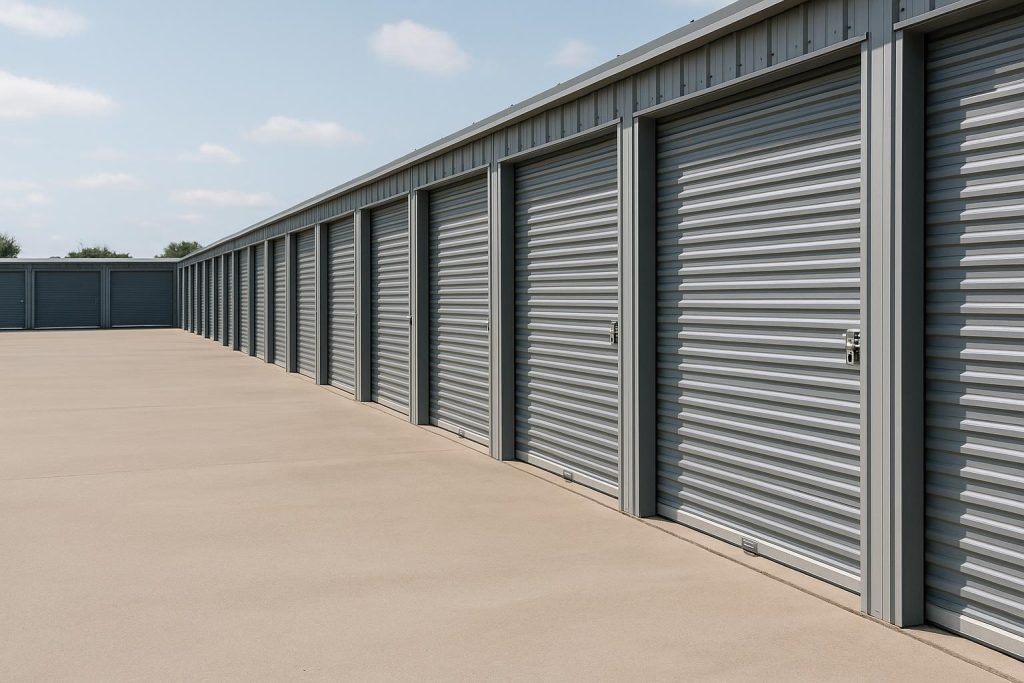
When people think about storage, the first image is often the classic row of indoor units behind a fenced enclosure. However, Edmonton offers a broader range of options that might better suit your needs.
- Self-Storage: This is the most traditional option. You drive up (or walk in), unlock your designated space, and fill it with boxes, furniture, or equipment. Security measures and on-site staff are important details to verify, as you’ll want to ensure your belongings are in good hands. For more information, you can explore self-storage bays to see the unit sizes and typical rates.
- Container Rentals: In this approach, you rent a steel shipping container that is delivered directly to your property or a designated location. These containers are usually wind- and water-tight, making them a sturdy choice for Edmonton’s seasonal weather. If you’re a contractor or business owner who needs quick access to tools on-site, a container rental could offer both reliability and convenience. For added flexibility, some storage providers allow you to keep the container for short- or long-term use.
- Mobile Storage: Similar to container rentals, mobile storage involves a container dropped off at your location. You can load it at your own pace. Once you’re done, the container is typically picked up and stored at the facility, allowing you to access it when needed. This is perfect if you have a busy schedule or want to avoid multiple trips to a storage yard.
Each option has its own cost structure. Self-storage facilities may charge based on monthly square footage, while container rentals could depend on the size of the container, the length of the rental, and any delivery fees. The best approach is to compare not just the monthly rate but also the convenience factor and any additional expenses, like transport or insurance.
How to Save on Monthly Storage Fees
If you want to get the most out of your monthly budget, here are a few tips to keep costs in check without compromising security or quality:
- Measure Before You Book: If you rent a unit larger than you need, you’ll be paying for wasted space. Take an inventory of what you plan to store—furniture, boxes, business equipment—and figure out the minimum square footage that can accommodate everything comfortably.
- Avoid Long Gaps of Unused Space: If you rent a container that sits empty at your property for months, that’s money out of your pocket. Use the container or self-storage unit when you really need it, and consider shorter rental terms if you are uncertain about your schedule.
- Look for Promotions and Specials: Storage providers sometimes offer discounted rates for the first month or seasonal deals to attract new customers. Inquire about these. Just be sure to check the regular rate after the promotion ends, so you know what you’ll pay long-term.
- Split a Unit with a Friend or Colleague: If you only have a few items, see if a friend or business partner also needs extra space. Splitting the cost of a slightly larger unit could end up saving each of you money in the end, but make sure you set clear guidelines on access and responsibilities.
- Pay Attention to Billing Policies: Some facilities offer a lower monthly rate if you agree to automatic billing or pay several months upfront. Ask whether you can get a discount for prepayment or a referral incentive if you send new business their way.
Security and Peace of Mind
When comparing monthly costs, don’t overlook the importance of security. It might be tempting to go with the cheapest rate in town, but make sure your items will be safe. A locally owned storage company that invests in proper gates, fenced perimeters, on-site staff, and surveillance systems is providing more than just an empty space—it’s offering peace of mind. Many facilities also keep their self-storage bays and containers clean, well-maintained, and free of leaks or damage. Since Edmonton weather can shift rapidly, it’s important that both indoor units and containers are built to handle the cold winters and moderate summers.
In many cases, an extra $10 or $20 a month for a secure facility can be worth it, especially if you’re storing items that are valuable, sentimental, or integral to your daily life or work. If you’re a contractor who relies on your equipment to get the job done, for instance, safeguarding those tools is paramount. The same goes for family heirlooms that you don’t want to risk.
Questions to Ask Before You Rent a Storage Unit
Whether you’re leaning toward a local self-storage bay or renting a container for your driveway, here are some questions you should always ask:
- Are there any hidden fees? Look out for administrative charges, insurance costs, or lock fees that might turn a seemingly low monthly price into a higher bill.
- How flexible are your terms? Do you have to sign a long-term lease, or is it month-to-month? Is there a discount for signing an extended rental agreement?
- What security measures are in place? If you’re picking a facility, confirm there’s a fence, gating, cameras, and possibly on-site staff. For containers, ask about the sturdiness of the container and how it’s locked or monitored.
- How easy is it to access my belongings? With self-storage, check the hours of operation. For mobile containers, determine how quickly you can get the container delivered or retrieved when needed.
- Is the unit or container protected from the weather? Edmonton winters are cold, and the summers can bring rain. Ensure your chosen option is wind- and water-tight or stored in a covered facility.
Self-Storage Bays vs. Container Rentals
In Edmonton, you have the flexibility to choose between a traditional self-storage unit, a container rental stored on your property, or a mobile storage container that’s delivered to your door. Determining which one is right for you usually comes down to your location, the amount of stuff you have, and how often you need access.
- Self-Storage Bays: Useful if you prefer a centralized location to access your items and don’t want a container taking up space on your driveway or job site. Costs can be more predictable, and the facility might offer additional perks such as mailbox rentals.
- Container Rentals: Ideal if you need a bigger, more sturdy structure delivered directly to you, especially if you’re storing tools or machinery for business operations. Upfront costs may be higher due to delivery fees, but the convenience of on-site storage often offsets that expense.
Whichever route you pick, ensure the company you work with is straightforward about rates, terms, and any extra charges. Nothing is more frustrating than finding out about unexpected add-ons when your monthly bill arrives.
Local Service You Can Rely On
Edmonton is a city that appreciates practicality, and when you trust your belongings to a storage provider, you should expect honest, helpful, and timely support. Because local businesses understand the specific challenges of living and working in Alberta, they create solutions that fit right into everyday life. Whether you’re moving across town or dealing with a wave of new inventory at your business, a reliable storage partner can make the process more manageable.
Many Edmonton-based storage companies have deep roots in the community, offering year-round advice on how to store furniture, fragile items, or specialized equipment. This kind of tailored, personal approach means you can speak to someone who genuinely cares about your storage goals—without having to deal with a distant corporate call center. And if you decide to expand your storage needs later, local providers can often customize a plan for you, whether that involves upgrading to a larger unit or exploring container sales for long-term projects.
Final Thoughts: Making the Most of Your Edmonton Storage Budget
When it comes to monthly storage costs in Edmonton, the price tag you see is only one part of the story. While a 5×5 unit might be enough for boxes of seasonal clothing, a 10×20 bay may be required if you’re storing appliances, furniture, or bulky tools. Alternatively, a mobile container can be dropped off at your home so you can pack at your own pace. Each option has its advantages—what matters is finding the right mix of space, convenience, and security at a fair price.
Before signing any contract, confirm the details that matter most: no hidden fees, wind- and water-tight structures, local service you can easily reach by phone, and the flexibility to extend or shorten your rental if life’s plans change. If you’re someone who values quick access to your possessions, see how close the facility is to your neighborhood or how swiftly the company can retrieve a container from your driveway.
In any case, be sure to ask plenty of questions, compare quotes, and pick a storage solution that aligns with your schedule, your finances, and the items you’re storing. By doing so, you’ll feel confident in your monthly payments, knowing you have a safe, spacious spot for the things that matter. When you’ve done your research, it becomes much easier to see that storage in Edmonton can be both practical and affordable—offering the extra space you need without extra headaches.


