
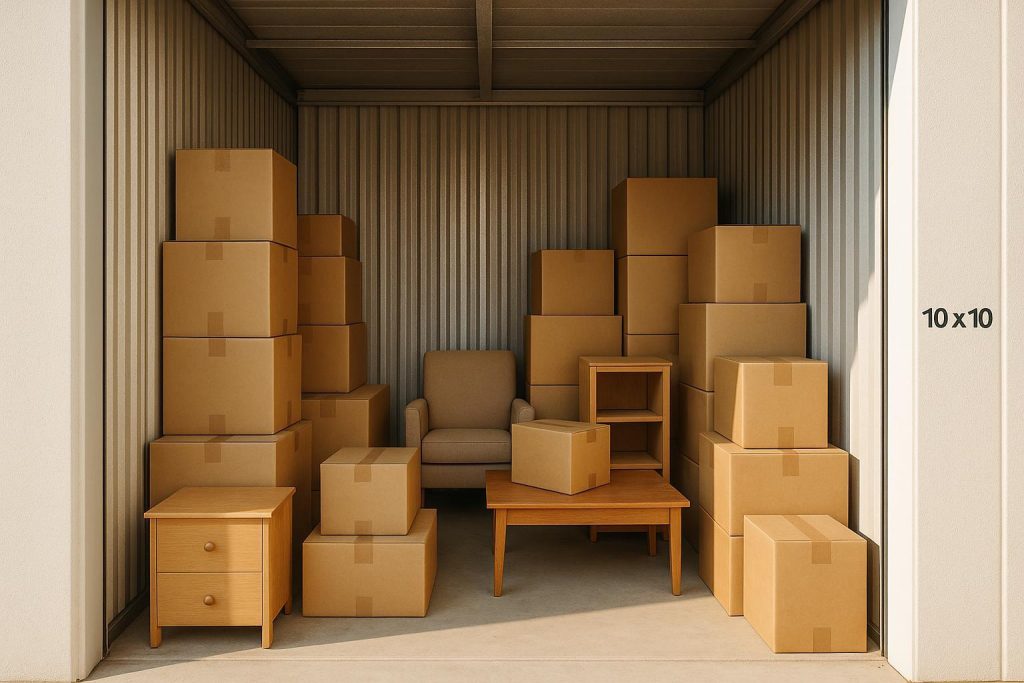
Understanding the Capacity of a 10×10 Storage Unit
A 10×10 storage unit is often compared to an average-sized bedroom or half of a standard one-car garage. It provides roughly 100 square feet of floor space, giving you enough room to stow away various household items without feeling overly cramped. However, determining how many rooms you can fit in this unit isn’t a simple numbers game. It relies on the size and type of furniture, how carefully you pack, and even whether you can use vertical space effectively.
Why Choose a 10×10 Unit?
Before we delve into practical storage tips, it’s helpful to know why many people opt for a 10×10 unit in the first place. The overall capacity is ideal for personal belongings from a one-bedroom apartment or a small home, making it a versatile choice for individuals or families going through life changes like relocating, renovating, or decluttering. Here are some common scenarios where a 10×10 unit might be the perfect fit:
- Moving to a new place: If you’re between addresses but need a place to store your furniture and boxes, a 10×10 often handles the core essentials of a 1-bedroom apartment.
- Seasonal storage: Packs away off-season clothing, holiday decorations, and recreational gear to free up space in your home.
- Renovations or remodeling: Protect large furniture items by moving them to a safe place while you work on your house.
- Downsizing: Keep the items you can’t quite part with yet in a tidy unit until you decide what to do with them long term.
No matter the scenario, a 10×10 storage unit strikes a balance between affordability and capacity. Even if you think you’ll need a slightly larger space, a 10×10 can often accommodate more than you’d expect—especially if you take an organized approach.
What Does “Rooms” Really Mean?
The original question—“how many rooms can fit into a 10×10 storage unit?”—is a bit open-ended. When people ask this, they usually want to know if a 10×10 unit can hold all of the contents of a renter’s or homeowner’s living spaces. An average 1-bedroom apartment might consist of:
- A bedroom set (bed frame, mattress, dresser, nightstands)
- Living room items (couches, recliners, coffee table, TV stand)
- A small dining table or kitchen essentials
- Boxes containing clothes, electronics, and personal belongings
A 10×10 storage unit can often handle the items from a 1-bedroom apartment, with room to spare for boxes, small appliances, and other household gear. If your furniture is especially large or you have extra pieces, you may need to utilize vertical space effectively, stack boxes carefully, or consider minimal dismantling of bulky items.
Measuring and Sorting Your Belongings
The key to maximizing any storage unit is planning. Before you load everything up, take a close look at your belongings:
- Measure large items: Use a tape measure to note the height, width, and depth of beds, dressers, couches, or tables.
- Group by size: Arrange boxes and furniture in categories (small, medium, large) and plan to stack them in a logical order. This prevents wasted space from uneven piles.
- Consider shape and fragility: Not all items can be stacked. Fragile pieces or awkwardly shaped items need special handling or separate placement.
Once you know the dimensions of your larger pieces, it becomes easier to visualize the layout. For instance, place the bed and mattress along one wall, or stack the couch on its side if possible (and only if it won’t cause damage). Smaller boxes or appliances can be arranged around or on top, freeing up floor space.
Best Practices for Packing a 10×10 Unit
An effectively packed unit can feel bigger than its actual dimensions. Here are some packing strategies:
- Disassemble to save space: Remove legs from tables or couches if possible. Break down bed frames, and store the smaller parts in a clearly labeled box or bag.
- Use vertical stacking: Every inch counts. Stack heavier items at the bottom and lighter, more fragile boxes on top. This method uses the height of your unit effectively while preventing damage.
- Invest in shelving or pallets: Placing free-standing shelves or using pallets beneath boxes keeps items off the floor and provides an extra layer of organization. This not only prevents moisture issues but also helps create multiple “levels” of storage within the unit.
- Label everything: Clearly label boxes on multiple sides so that, if you need to retrieve something, you can locate it quickly without tearing the unit apart.
- Leave walkways if possible: If you have the space, consider leaving a small aisle. This is particularly useful if you need regular access to your valuables.
Following these guidelines can help you store the equivalent of an entire room or two. Essentially, the more you can compact and organize your furniture and boxes, the more likely it is that your 10×10 will meet your needs—including housing sizable sets of household items without sacrificing easy access.
Typical Households and Their Contents
The amount of furniture and the sizes of the items vary greatly from one household to another, but here’s a basic breakdown of what you might fit:
- One-Bedroom Setup: A queen or full-sized bed, a dresser, one or two nightstands, a small bookshelf, a love seat or small couch, a coffee table, and a handful of boxes of personal belongings.
- Studio Apartment: A futon or small sleeper sofa, a modest dining set (table plus two chairs), and various smaller items or boxes for clothing and personal effects.
- Shared Apartment: If you’re storing a partial amount of furniture from a two-bedroom place—like just your bedroom and living room—it can often still fit if you’re strategic in your packing.
In some cases, you might fit even more by taking advantage of vertical space and carefully disassembling bed frames, tables, or TV stands. However, always be safe, and avoid stacking too high if you’re uncertain about the stability of certain pieces.
Adding Extra Value with Creative Storage Techniques
Sometimes, it’s about more than just putting boxes on the floor. Consider these ideas to get even more mileage out of your 10×10 unit:
- Removable shelving: Wire shelves sold at home improvement stores are easy to set up and require no permanent modifications to the unit. This approach helps you store boxes in a more organized manner.
- Nested furniture: If you have items like end tables or small chairs, see if they can fit inside larger hollow pieces (e.g., place a chair upside down on a table with a protective pad in between).
- Packing inside appliances: If you’re storing a fridge or freezer, consider placing sealed boxes or smaller items inside it for added convenience. Just ensure the appliance is clean and dry first.
By stacking, nesting, and thinking outside the box (sometimes literally), you’ll maximize every cubic foot of your 10×10 space.
Making the Most of Vertical Space
A 10×10 storage unit typically boasts an 8-foot ceiling, though that can vary slightly depending on the facility. This vertical dimension essentially doubles or triples the available space, provided you have the right equipment (like shelves) and an organized approach:
- Heaviest at the bottom: Place dressers, bulky tables, or heavy boxes on the floor. Organize your load so lighter items can sit on top, preventing collapse or tipping.
- Use a step stool: If you plan to stack boxes high, keep a small step stool inside your unit for easy access. This will help you reach out-of-the-way boxes more safely.
- Mind the weight distribution: When stacking, make sure one side of a shelf or stack isn’t heavier than the other, which can cause tipping.
Approaching your storage unit as a three-dimensional space—rather than just looking at the floor plan—makes it easier to estimate whether the contents of one or two rooms will fit without difficulty.
Preparing Items for Long-Term Storage
In many situations, a 10×10 storage unit isn’t just for short moves. If you’re in the midst of a long renovation or an extended trip, you might need to store items for months, or even years. In that case:
- Clean and dry: Make sure fabrics, clothing, or upholstery are thoroughly dry before storage to avoid mildew.
- Wrap furniture: Protect wood furniture with moving blankets and wrap upholstered furniture in plastic. This keeps dust and possible moisture away.
- Avoid prohibited items: No matter how much space is left, skip storing chemicals, perishable goods, or flammable substances. Safety for your belongings and those in adjacent units is paramount.
Proper preparation helps ensure your furniture remains in good condition, preserving both quality and value. Overcrowding the unit or neglecting essential steps (like cleaning) might lead to unexpected damage down the road.
Exploring Additional Storage Services
Sometimes, clients realize a 10×10 unit is either too big or too small for their specific needs. This might be because they only need to store smaller personal items, or perhaps they have extra rooms full of belongings that won’t fit into a single 10×10. If that’s the case, it’s worth exploring other solutions. Whether you need a slightly smaller unit, a larger one, or even Self Storage options that accommodate multiple rooms, there are a range of services available to suit your exact needs.
In some cases, Container Rentals provide a more spacious alternative. These steel containers offer even more room if you’re moving the contents of multiple rooms or an entire household. Many businesses also rely on them for storing tools or inventory.
Local Tips for Edmonton and Surrounding Areas
If you’re located in Edmonton or any of its neighboring communities—like St Albert, Spruce Grove, or Sherwood Park—take stock of your typical climate conditions when preparing your items for storage. While the interior of a 10×10 unit generally shields from the elements, packing your belongings to endure significant seasonal temperature swings is a good practice. Use protective wraps or padding for moisture-sensitive items, and keep electronics in sealed boxes to help maintain their condition.
Is a 10×10 Right for You?
Deciding if a 10×10 storage unit can accommodate your “entire bedroom set” or the contents of several rooms comes down to careful planning. Here’s a brief recap to help you make that choice:
- The average capacity: Typically holds the contents of a 1-bedroom apartment, including basic living room furniture, a mattress, and numerous boxes.
- Medium-range time frame: Ideal for storage periods of a few months up to a year or more, provided you pack and secure items properly.
- Easy to organize: With shelving, pallets, and stacking strategies, a 10×10 can easily fit more items than you’d think by square footage alone.
- Local convenience: If you’re in or around Edmonton, a unit of this size is readily accessible for frequent visits or additional rearrangements as needed.
If all these points line up with your needs, a 10×10 is likely a solid choice. If you anticipate needing extra elbow room—especially for large appliances or oversized furniture—consider bumping up to a bigger unit. Conversely, if you only have a handful of boxes and smaller items, going down a size might save you cost and prevent wasted space.
Additional Tips for Stress-Free Storage
Finally, let’s close with a few reminders that can make your storage experience as straightforward as possible:
- Plan your layout: Sketch a quick diagram of where your largest items will go, leaving some space for stacked boxes and an aisle.
- Protect valuable items: Mark fragile boxes clearly and store delicate items at the top or front for easy access.
- Use consistent box sizes: Uniform boxes stack more neatly and are less likely to topple.
- Ask for help: Don’t be afraid to consult a storage specialist if you’re unsure about unit sizing, packing supplies, or best practices for fragile items.
- Review your inventory: Keep a list of everything in your unit. This helps track your items over time and ensures you won’t forget what’s stored.
With these steps, you should be able to fit one or two rooms worth of items inside your 10×10 unit, all while keeping your belongings protected. Whether you’re a homeowner, a renter, or a business owner, organizing your storage starts with the right planning and the right amount of space.
Ultimately, how many rooms you can fit into a 10×10 depends on how well you measure, pack, and optimize the space you have. By investing in removable shelving, grouping items by size, and carefully stacking boxes, you’re well on your way to making the most out of your storage.


