Practical Tips to Protect Your Equipment from Theft
Keeping your valuable gear safe from theft is a major concern for many individuals, families, and businesses. Whether you’re a homeowner storing seasonal tools, a tradesperson managing job-site equipment, or a company dealing with larger-scale industrial machinery, protecting your belongings requires thoughtful planning and consistent effort. Below, you’ll find a practical, step-by-step approach to equipment theft prevention—covering everything from physical security measures and inventory management to choosing secure self-storage or mobile container solutions.
1. Secure Your Perimeter and Storage Areas
The best starting point for preventing equipment theft is to create solid, physical barriers around your belongings. Thieves are often deterred by things like locked gates, bright lighting, and structures that are difficult to penetrate.
- Lock and Gate Your Property: A sturdy fence, along with a robust gate securing driveways or entrances, can keep opportunistic thieves at bay. It also helps channel visitors and workers through authorized points of entry.
- Install Adequate Lighting: Well-lit areas put intruders at a disadvantage by removing the cover of darkness. Motion-activated floodlights around workshop doors, storage sheds, and perimeters are simple yet powerful ways to discourage suspicious activity.
- Opt for High-Quality Locks: Choose heavy-duty padlocks, deadbolts, or combination locks that are resistant to bolt cutters. Regularly check locks for rust or wear. If you notice any signs of tampering, replace them immediately.
- Utilize Alarm Systems or Cameras: Modern surveillance cameras and alarm systems don’t have to be complicated or expensive. Just be sure you place them in visible areas to dissuade thieves while also capturing valuable footage if an incident does arise.
2. Label, Document, and Track Your Equipment
When thieves realize an item is easily traceable, they might think twice about taking it. Plus, if your gear is ever stolen, proper identification helps law enforcement recover your property more effectively. Here’s how to document and track your valuables:
- Mark Equipment with Unique Identifiers: Engrave, etch, or stamp identifying details—like a name, business identifier, or unique code—into your equipment. Alternatively, affix a clearly visible, tamper-proof label.
- Take Photographs or Videos: Capture images of each item and note key features, modifications, or scuff marks. If you rely on equipment for your business, having pictures and videos provides proof of ownership in case you need to make insurance claims.
- Maintain an Up-to-Date Inventory: Keep a log of your gear that lists serial numbers, purchase dates, and item descriptions. With digital tools, you can store records securely online, making them easy to update and retrieve whenever needed.
- Use GPS Trackers for High-Value Equipment: For extremely valuable or mobile items, you can install discreet GPS devices. These trackers allow you to locate your gear quickly if it goes missing, and they can even send alerts if the equipment is moved without permission.
3. Choose the Right Storage Solution
One of the most effective ways to deter theft is by storing your equipment in a reliable, secured environment. The right choice depends on factors like your budget, the type of items you’re storing, and how frequently you need to access them. Here are a few options:
- Self-Storage Facilities: Commercial self-storage units come with multiple layers of security, such as gating, surveillance cameras, and on-site staff. For instance, if you need a well-monitored indoor unit, it’s worth exploring Self Storage to keep your tools and supplies away from prying eyes. Choose units that have sufficient space to avoid overcrowding and allow for safer handling of items.
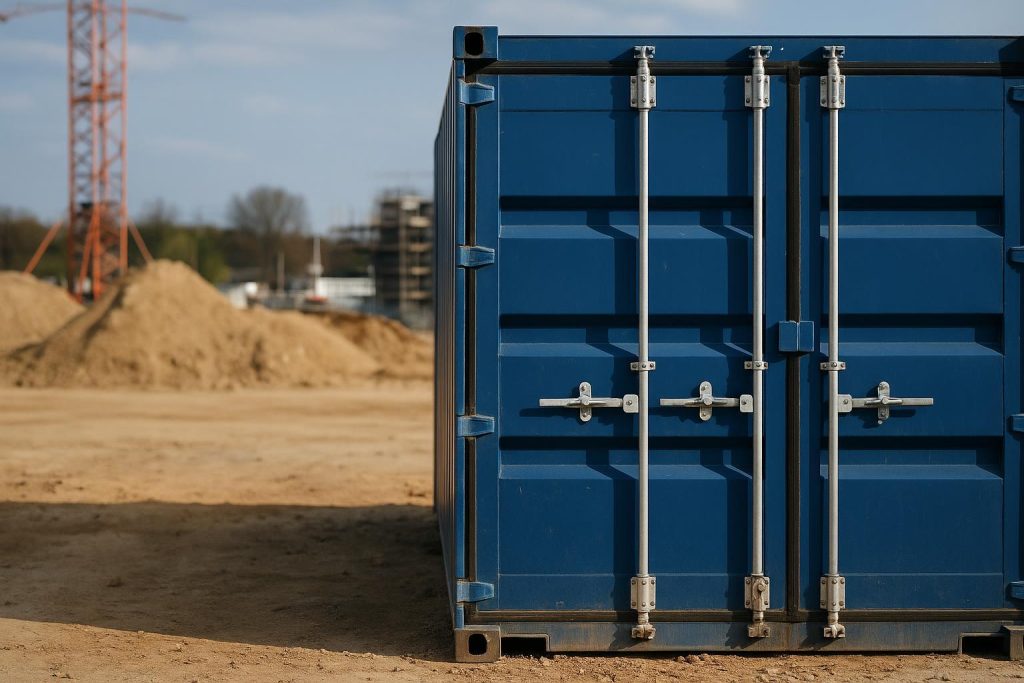
- Container Rentals: If you prefer to keep equipment at your own location, renting a secure shipping container might be ideal. Companies offering Container Rentals typically provide durable, wind- and water-tight units that lock up tightly. Placed conveniently on your property, these containers allow you to access your belongings without the hassle of driving back and forth to a storage facility.
- Mobile Storage Options: For anyone who wants to combine on-site convenience with the flexibility of having the container transported elsewhere, Mobile Storage solutions are a practical alternative. A weather-resistant container can be delivered to your location, loaded at your pace, and then taken to a secure facility until you need it back.
Make sure the facility or service you choose provides robust security features: good lighting, gated entry, camera systems, and limited point-of-access. It’s also wise to ask about insurance coverage—some providers require proof of coverage or offer their own protection plans.
4. Consider Professional Delivery and Secure Setups
Sometimes, moving large or expensive equipment calls for professional delivery to ensure it arrives securely. When you opt for Container Delivery, a storage provider can drop off a weatherproof unit at your door without you having to worry about trailer rentals or physically transporting heavy machinery. This approach can reduce your exposure to risks on the road and allow you to set up your items in a safe spot right from the start.
After delivery, position the container in an accessible yet well-lit part of your property. Combine this with the perimeter security measures described above, and you’ve built a robust defense against thieves looking for an easy score.
5. Don’t Overlook Daily Practices
Even the strongest security setup can be undermined by everyday habits that leave gear vulnerable. Consistency is crucial when it comes to locking up or following standard operating procedures. Here are a few daily habits to instill:
- Lock Up Immediately: Whenever you’re done using tools or equipment—especially valuable items—place them back in storage right away. Leaving things lying around, even for a few minutes, can be an open invitation for theft.
- Check Locks and Alarms: Make it routine to double-check that all locks are engaged, keys are accounted for, and alarms are set at the end of the workday or before you leave for the weekend.
- Limit Access: If equipment is located at your home, only share gate codes or keys with people you trust. In a business setting, implement a sign-in/sign-out system so you know who last used an item.
- Adhere to Company Policies: For professional environments, creating and following structured policies is key. A standard protocol for storing and returning tools can keep everyone accountable.
6. Foster Awareness Among Employees and Family
Your collective vigilance plays a big role in stopping theft. If you manage a team or have family members handling equipment, ensure they understand the importance of consistent security actions. Provide short training sessions or friendly reminders on topics such as lockup procedures, visitor identification, and how to spot suspicious activity.
Moreover, encourage a culture of reporting anything out of the ordinary. An open line of communication helps detect issues early—potentially stopping minor concerns before they become major incidents. This sense of community watch can be one of the most powerful defenses against thieves who bank on bystanders turning a blind eye.
7. Maintain Your Storage Space
A well-maintained storage area not only assists with practical organization but also signals that items are actively cared for and monitored. In thieves’ minds, a neat, well-lit, and regularly checked storage space poses a much more difficult target. Here are some key steps for proper upkeep:
- Regularly Inspect Your Locks and Doors: Over time, even quality hardware can loosen or corrode. Inspect your storage unit doors, hinges, and locking mechanisms for any signs of wear or tampering.
- Clean and Organize: When your storage area is tidy, it’s easier to see if something is out of place. Keeping walkways clear helps you notice quickly if items go missing.
- Check for Moisture and Rust: Regularly clean metal tools or equipment to prevent rust, especially if they’re stored for extended periods. While a container is wind- and water-tight, condensation can build up. A quick check now and then ensures your valuables stay in good shape.
8. Explore Purchasing Your Own Container
For those who prefer long-term, permanent solutions, investing in a personal storage container can be a wise choice. Container Sales can provide an opportunity to own a sturdy, weather-resistant steel unit outright, which you can customize to your needs. Here are some potential benefits:
- On-Site Ownership: You control exactly where the container sits and how it’s secured. No monthly rental fees, and no need to move items back and forth.
- Durable Construction: Containers meant for shipping are built to handle rough conditions. Many are steel, with reinforced edges and doors that keep out water, pests, and prying hands.
- Versatility: You can modify these containers to create specialized workshop spaces, add shelving, or even install extra doorways. This way, you have a self-contained storage solution aligned with your unique equipment needs.
If you operate a business in areas like Edmonton, St. Albert, Spruce Grove, or Sherwood Park, buying a container can streamline your workflow by letting you store tools or materials right on-site. It’s especially helpful for industries like construction, agriculture, or landscaping, where quick access to professional gear is essential.
9. Stay Updated on Local Crime Trends
Enrolling in community alert systems, following social media groups, or reading local news helps you stay informed about break-ins or theft patterns in your area. If there’s a spike in equipment theft, you can take extra precautions or collaborate with neighbors, other businesses, or local authorities. Knowledge is power: the more you stay informed, the better prepared you’ll be.
10. Build Strong Relationships with Neighbors
Though technology is useful, sometimes the most powerful deterrent is a supportive community. Talk to your neighbors about forming a watch group or simply looking out for each other’s properties. If you run a commercial operation, collaborate with adjacent businesses to form a “security alliance,” sharing tips and alerting each other to suspicious behavior. Thieves tend to avoid areas where people communicate openly about security concerns.
11. Plan for the Worst, Hope for the Best
While your goal is to avoid theft entirely, planning for a worst-case scenario can help minimize damage and speed up recovery. Keep insurance policies current and ensure they cover the full value of your stored equipment. Some policies require you to properly secure belongings or prove forced entry, so review all requirements carefully. Pairing this coverage with thorough documentation—photos, serial numbers, unique identifiers—means you’ll have essential evidence if you need to file a claim.
Final Thoughts: Be Proactive with Your Equipment Security
Preventing theft isn’t just about investing in one piece of gear or setting up a single lock—it’s about combining multiple security strategies that work together. By creating a secure perimeter, labeling and documenting your items, and choosing trusted storage solutions, you’ll greatly reduce your risk of experiencing equipment theft. Daily habits, consistent employee or family member engagement, and ongoing improvements to your security practices all contribute to keeping your tools safe.
If you’re looking for professional storage solutions or just want to explore your options, it can be valuable to contact a dependable local provider. Checking out a well-respected storage company in your area provides direct access to secure self-storage bays, weather-tight container rentals, and mobile storage alternatives that support your equipment-protection goals. With the right partner on your side, you can focus on the work or activities you love—without constantly worrying about theft.


