
Understanding Airtight Containers and Moisture Control
Airtight containers are a trusted option for keeping belongings safe by reducing exposure to the outside environment. A tightly sealed container prevents air exchange and helps limit moisture, dust, and other contaminants from reaching what’s stored inside. People choose these containers for storing a variety of items—like documents, clothes, photographs, electronics, and collectibles—especially in places with changing humidity levels. But do airtight containers genuinely keep moisture out? The short answer is yes, they block external moisture. However, it’s important to recognize there can be residual moisture in the air or in the objects that are placed inside. In this guide, we’ll explore what airtight containers do well, how moisture can still enter the interior space, and effective methods to keep your belongings dry.
Why Moisture Control Is Essential
Excess humidity can wreak havoc on stored items. Though it may be invisible, moisture in the air promotes mold growth, causes rust on metals, weakens paper materials, and can compromise the functionality of electronics. In a city like Edmonton, where the climate varies from cold winters to humid summers, it’s doubly important to ensure that any stored items are shielded against dampness. Even a small amount of trapped moisture can harm sensitive items over time.
Here are some typical effects of poor moisture control:
- Rust and Corrosion: Metal items can rust when consistently exposed to humidity. This can ruin tools, hardware, jewelry, or electronics with metal parts.
- Mold and Mildew: Soft materials like clothing and upholstery are especially prone to mildew when moisture lingers in enclosed areas. On paper, mold can cause unsightly stains and unpleasant odors.
- Distorted Paper and Wood: Paper documents and wooden items can warp or weaken over time if they absorb excess moisture in a sealed environment.
- Electronics Damage: Water droplets can form on circuit boards, resulting in short-circuits or corrosion that may make the device unusable.
How Airtight Containers Actually Work
Airtight containers are designed with specialized gaskets or seals. When you shut the lid, these seals create a barrier around the container’s edges to block external air from entering. This seal is what safeguards your storage from fluctuating humidity on the outside. By limiting the airflow, you drastically reduce the risk of mold spores, dust, and extra moisture slipping in.
However, it’s crucial to remember that airtight containers only prevent new moisture from invading the container. They don’t eliminate any humidity already inside when you seal it. For instance, if you place slightly damp clothing into an airtight bin, that dampness transforms into condensation if the container’s temperature changes. Over time, condensation could damage the items you’re trying to protect. That’s why drying and cleaning belongings ahead of time is one of the most important moisture-control tactics.
Best Practices to Keep Moisture Out
To get the most out of airtight containers and ensure dryness, combine them with other preventative measures. Here are some proven tactics that can help:
1. Start Dry
Always make sure the items are fully dry before packing them away. Clothing, textiles, paperwork, and electronics should be inspected for any semblance of dampness. A small patch of moisture can spread over time once the container is sealed, causing bad odors and mold. Consider laying items out in a warm, well-ventilated area for a few hours before storing them.
2. Use Moisture Absorbers
One of the simplest additions to any airtight container is a moisture-absorbing product. Many people turn to silica gel packs, often found in product packaging, as they are easy to source and inexpensive. Silica gel soaks up excess humidity, keeping the inside air drier. For larger containers, charcoal briquettes or specialized dehumidifying agents like calcium chloride can be used. Keep in mind that these materials have a limited lifespan, so you’ll have to replace or regenerate them at regular intervals.
3. Allow Airflow Before Sealing
Though it might sound counterintuitive, allowing a brief “air out” period can be beneficial before finally sealing the container. Letting your belongings acclimate to a drier environment minimizes the chance of sealing in higher humidity. If you live in a region prone to dampness, choose a day with relatively low humidity to pack up your storage items.
4. Inspect Containers Carefully
Not all containers marketed as airtight have the same level of quality or sealing ability. Look for sturdy clamps or secure latching mechanisms and well-fitted gaskets on the lid. Even a small gap can let moisture creep in. Inspect existing containers for cracks, especially around corners, since those are potential sites for leaks.
5. Combine Airtight Storage with Climate-Aware Placement
Where you keep your airtight container also plays a role. If you store it in a damp basement or garage, you’re increasing the odds of moisture infiltration if the container isn’t sealed properly. Ideally, place containers in a dry, stable environment. If the storage spot isn’t climate-controlled, check them regularly to catch any humidity issues before they worsen. If you suspect extreme humidity or want prolonged peace of mind, consider storing some items in a reliable indoor facility, such as Self Storage, where temperatures remain more stable throughout the year.
Choosing the Right Airtight Container for Your Needs
The market offers various airtight containers in plastic, glass, or metal. For long-term storage of moisture-sensitive items—like vintage clothing, important documents, or electronics—choose containers specifically designed for sterility and dryness. Many heavy-duty plastic totes come with rubber gasket lids to form a robust seal. Others are more suitable for short-term storage or everyday household use. The best container depends on your object’s sensitivity to moisture and the length of storage.
- Plastic Bins with Gasketed Lids: Provide a secure seal. They’re lightweight, durable, and available in multiple sizes.
- Metal or Aluminum Storage Cases: Often used for specialized gear like cameras or tools. These can be highly effective if built with airtight seals.
- Food-Grade Containers: Designed to keep contents fresh and are particularly good at blocking moisture. Though typically used in kitchens, they can work for small items that demand a dry environment.
Managing Moisture over Extended Periods
While placing items into an airtight container is a great start, additional maintenance helps ensure dryness, especially for longer-term storage. Even robust containers benefit from some extra precautions:
- Periodic Checks: If you can access the container occasionally, open it and inspect for any signs of mold or musty odors. Replace or recharge desiccant packets if they’ve reached saturation.
- Rotate Contents: Fabrics and documents can develop wrinkles or creases if left untouched for months. Occasionally flipping or reorganizing them will help you spot early moisture issues.
- Ventilation Gaps in Large Storage: If you’re placing an airtight container within a shipping container or a sealed storage space, leave some room around the container’s outside to promote airflow in the surrounding environment. That way, humidity doesn’t get trapped in the layers between containers.
Preventing Mold Growth and Condensation
Mold spores are naturally present in the environment, and when they have the right combination of warmth and moisture, growth accelerates rapidly. To protect your items, you have to deny these spores the moisture they need. Although airtight enclosures keep additional moisture from coming in, you should take steps to avoid condensation from humidity already within the container. Below are some targeted strategies:
- Clean and Dry Thoroughly: Whether it’s linens, books, electronics, or collectible figurines, give them time to totally dry out before sealing. Wipe down plastic and metal surfaces to ensure no water spots remain.
- Take Humidity Readings: If you’re particularly concerned, invest in a small digital hygrometer that can be placed inside the container for a period to gauge if moisture levels are creeping up.
- Use Moisture-Absorbing Materials Proactively: In damp climates, plan to include fresh moisture absorbers from the start of your storage rather than waiting until problems emerge.
By combining these approaches with a properly sealed container, most mold problems can be prevented. For especially moisture-prone locations, consider a facility with a stable indoor environment. Large items or bulk storage might be better housed in a bigger, more robust solution—like a steel shipping container or an indoor Self Storage bay—where you can further manage humidity.
Airtight Containers vs. Larger Storage Options
Sometimes, an airtight container isn’t quite enough—perhaps because you’re storing big furniture pieces, large amounts of merchandise, or bulky business equipment. If that’s the case, you may need a sturdier long-term option that is also built to withstand Alberta’s variations in temperature and outdoor moisture.
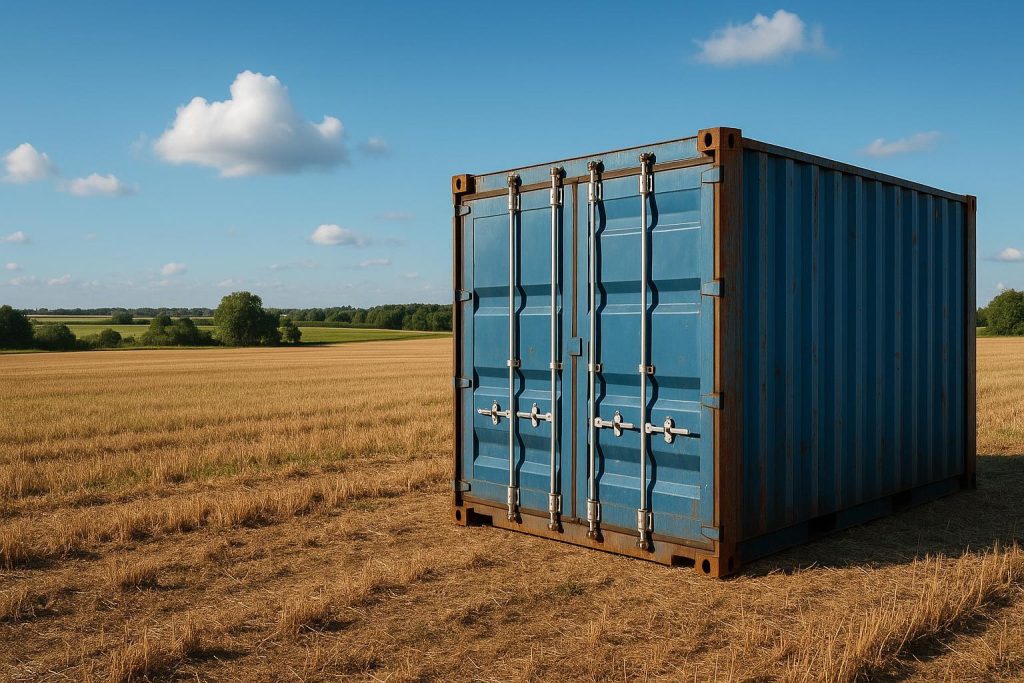
- Shipping Containers: These steel containers are wind- and water-tight, making them ideal for heavy-duty storage needs. They can be used to store anything from construction materials to household goods during a relocation. If you need dedicated on-site storage for months (or years), Container Rentals or Container Sales might be a practical choice.
- Mobile Storage: For anyone who wants the efficiency of at-home packing, Mobile Storage units can be dropped off at your location. You can load them at your convenience, focusing on keeping the contents dry and secure. Once sealed, they can be moved to a facility or your new destination.
- Self-Storage Bays: Indoor self-storage can help mitigate humidity concerns if the facility is in a location subject to less drastic temperature swings. For anyone wanting to keep personal belongings, business inventory, or fragile household items safe from external weather, a designated Self Storage bay can provide an environment better suited to long-term dryness.
In many cases, it’s not about picking one or the other. You might choose airtight containers first to store small valuables or electronics, then keep those containers in a secure shipping container or a self-storage unit for an additional layer of dryness and safety.
Common Mistakes and How to Avoid Them
Even when people purchase top-of-the-line airtight containers, a few common oversights can result in trapped moisture or gradual dampness entering over time.
- Forgetting to Inspect for Cracks or Damaged Seals: Wear and tear is normal. Check that lids, gaskets, and locking mechanisms remain intact. Replace or repair them if you find any signs of damage.
- Overlooking the Small Stuff: Throwing items in quickly without thoroughly drying them is a direct route to locking in excess humidity. Spend a few extra moments making sure everything is moisture-free.
- Relying on Airtight Containers Alone: Realistically, if you’re placing items in a very damp environment, even an airtight container can get compromised over time. Regular checks and pairing with a stable storage setting yields the best outcome.
- Ignoring Temperature Fluctuations: Quick drops or spikes in temperature can cause moisture to condense on cooler surfaces inside the container. While airtight sealing reduces external humidity changes, it’s wise to store containers in an area with moderate or consistent temperatures whenever possible.
Practical Tips for Different Items
Certain objects are especially vulnerable to moisture:
- Clothing and Fabric: Wash, dry, and fold garments properly before sealing. Place silica gel packs inside to combat residual dampness. Avoid vacuum-sealing if you intend to store clothes long-term, as trapped humidity can become an issue in changing temperatures.
- Books and Documents: Use acid-free paper or dividers to keep pages separate, especially for older or valuable prints. A small, airtight container with a desiccant pack is highly effective for paper.
- Electronics: Wipe devices gently with a dry cloth and remove batteries. Store cables separately in sealed bags to prevent tangling and potential condensation on metal connectors.
- Photographs: Print photos on archival-quality paper and protect them in acid-free photo boxes. For added safety, place moisture absorbers near them, but avoid direct contact to dodge any chemical reaction.
Summary: Airtight Containers and Beyond
Airtight containers do indeed keep external moisture out, protecting your belongings from the environment. Yet, controlling residual internal humidity is equally crucial. By following best practices—drying everything properly, using desiccants, and checking the container itself for integrity—you can significantly cut the risk of mold, mildew, rust, or other damage. For large or long-term projects, look into additional solutions, such as Container Rentals and Container Sales, which provide a more spacious form of sealed storage. Alternatively, Self Storage can be a trusted option if you want an indoor setting that helps moderate temperature and humidity levels.
Ultimately, preserving your items comes down to vigilance. Combine airtight enclosures with smart moisture control, pay attention to your environment, and store correctly for the conditions you face. By taking a few extra steps, you can keep your belongings safe, dry, and in great condition for as long as you need.


