
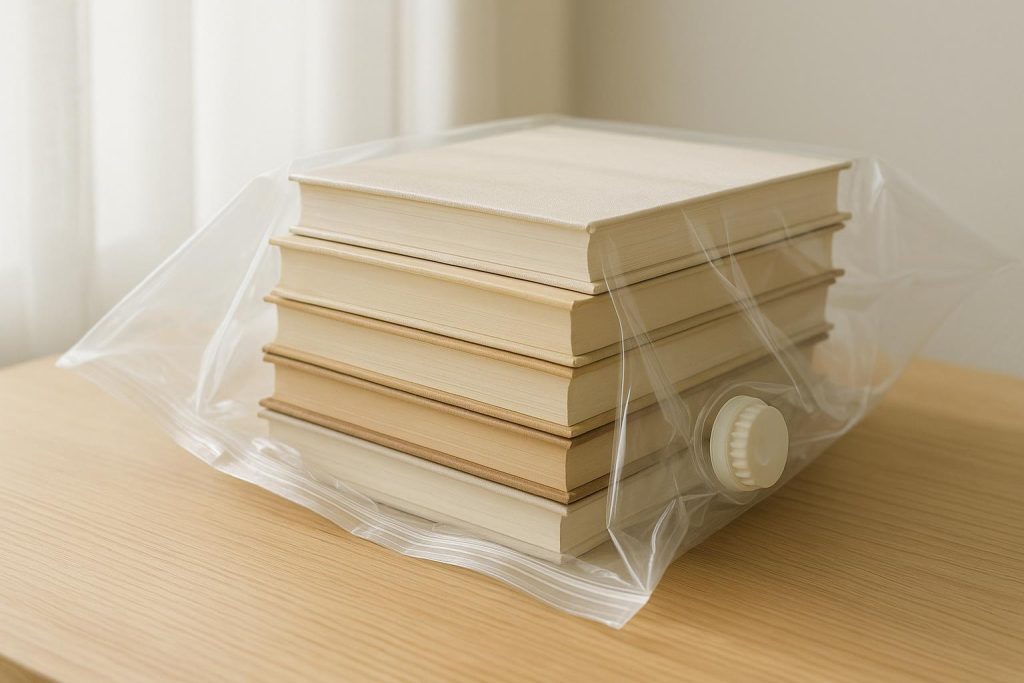
Why Vacuum Bags Aren’t Recommended for Book Storage (and How to Protect Your Collection)
For many book lovers, making the most of available storage space becomes more important than ever as collections grow. While vacuum bags might seem like a quick way to compress piles of novels and free up a shelf or two, it’s generally not a good idea to store books in them. From trapping moisture to accidentally warping bindings, vacuum-sealing can do long-term damage to your treasured texts. In this article, we’ll explore why vacuum bags aren’t recommended and how to safely store your literary favorites, whether you have just a few classics or a home library’s worth of volumes to protect. We’ll also look at how self-storage or container storage can be a practical solution when you’ve run out of space at home. Our goal is to help you find a reliable and no-nonsense way to keep your books in the best possible condition over time.
By the end, you’ll understand the core reasons vacuum bags pose a threat to book preservation, learn best practices for long-term storage, and discover real-world options if you need more room for your growing library. Let’s get started by delving into how vacuum bags can backfire when used for paper-based items.
How Vacuum-Sealing Harms Books
At first glance, a vacuum bag sounds great: vacuum out excess air, compress items into a neat little package, and stash them in a cupboard or trunk. Yet the properties that make vacuum bags appealing for clothes and blankets can backfire when storing more delicate belongings like books. Here are some reasons why:
- Moisture Retention: Vacuum-sealing removes air, but it doesn’t remove moisture that’s already inside the bag. Paper naturally absorbs humidity from the environment, and once sealed, any residual moisture lingers. The risk of mold or mildew rises significantly, especially if the books had even slight humidity exposure before sealing.
- Compression Damage: Vacuum bags squeeze items to reduce bulk, which can bend and warp book covers or weaken the spine. If your collection includes older books, first editions, or paperbacks with fragile pages, any extra pressure may crack the spines and distort margins.
- No Air Circulation: A complete lack of airflow can speed up deterioration of paper. Although high humidity is bad for books, they still need slight ventilation to remain stable. Trapping them in an airtight environment can encourage the growth of fungal spores hidden in the pages.
These issues make it clear why vacuum bags are not an ideal choice for archiving or storing your books for the long haul. Even short-term use can introduce problems that might lead to unpleasant surprises when you finally reopen that sealed bag.
The Downside of Long-Term Vacuum Storage
Some people consider vacuum bags as a temporary solution, perhaps during a move or while reorganizing a home. In those cases, it might appear to save space in the trunk of the car or keep books in place during transit. However, even brief stays in vacuum-sealed bags can have consequences:
- Sudden Temperature Swings: If you’re in the middle of a move, the conditions in a moving van or a storage facility can vary widely. Books sealed without airflow can experience rapid temperature changes that cause condensation trapped inside the bag.
- Added Fragility: Once you compress pages and covers, the structural integrity of the spine is more likely to break when you finally remove the vacuum seal. Hardcover or paperback, all books can become more delicate beneath heavy compression.
- Potential for Staining: If any moisture is present, it can seep into the book fibers, sometimes leading to discoloration or unsightly stains. You might not see this damage until it’s too late to reverse.
While it can be tempting to downsize a box of books using vacuum bags, the long-term cost to your collection’s condition isn’t worth the short-term convenience.
Better Alternatives for Book Storage
Fortunately, there are well-known and widely recommended strategies to keep your books in good shape for years to come. Here are some of the best methods:
1. Use Acid-Free Boxes
Acid-free boxes are favored by librarians and archivists because they minimize the chemical reactions that can age paper prematurely. Placing your books in these boxes—preferably upright, or flat if the spine is delicate—helps them maintain their form. Line the boxes with acid-free tissue or soft paper if you want to be extra cautious, especially with older or collectible volumes.
2. Ensure a Stable Environment
Books thrive in cool, dry, and stable conditions. Fluctuations in temperature or humidity can be harmful. Aim to keep the space around 60–70°F (16–21°C) and the relative humidity between 35–50%. Avoid basements, garages, or attics where humidity levels can quickly get out of control. Even though you might not have a fully climate-controlled room, a moderately stable area in your home is generally good enough for most collections.
3. Wrap Individual Books with Soft, Acid-Free Paper
Wrapping books can safeguard them from dust, minor abrasions, and light exposure. This is particularly helpful if your books have dust jackets you want to preserve or delicate covers vulnerable to scratches. By using breathable acid-free paper—not plastic wrap—you allow ventilation while preventing direct contact with other surfaces or objects.
4. Opt for Sturdy Shelves or Cabinets
If you plan to keep your books close at hand, invest in good-quality shelving or cabinets. Wooden shelves in an area that doesn’t get direct sunlight can go a long way toward protecting your collection. Make sure your shelves are deep enough so that books aren’t partially hanging off the front. Also, avoid crowding them too tightly together—enough space for airflow is important, but you also don’t want them tipping or slumping.
5. Keep Them Off the Floor
Storing books directly on the floor is never ideal. Not only do you risk accidental spills or tracking in dirt, but any moisture that seeps through the floor is more likely to make its way into your boxes or books. Elevate boxes on pallets or shelves to stay safe from dampness and pests.
6. Monitor for Pests and Debris
You’d be surprised how appealing paper can be to insects. Give your stored books a periodic check for signs of silverfish or other pests. Toss in a few desiccant packets (the kind you find in shoes or electronics packaging) to help absorb any lingering moisture. If you see any bug damage or droppings, remove the affected books and clean them outdoors with a soft brush.
When Self-Storage is a Practical Option
If you’re tight on space or your collection is more than your home can handle, a self-storage unit can be a helpful solution. This approach is particularly useful for those who don’t want to part with their books just because the shelves at home are overcrowded. A secure facility that’s gated and monitored can offer the peace of mind you need—knowing your books are in a safe spot, away from everyday household hazards. Though you don’t need full climate control for most standard literary works, do your best to choose a storage option with stable conditions.
In Edmonton, for instance, self-storage solutions at a reputable facility can keep large or small collections protected under lock and key. If you want to place a big chunk of your library in storage temporarily—such as during a move or home renovation—an indoor unit can give you back precious space at home while keeping dust and dirt away from your paperbacks and hardcovers. Be sure to stack your boxes carefully, label everything, and leave enough room for air circulation between stacks to minimize the risk of mildew.
For those with extensive libraries or boxes of textbooks and reference materials, a dedicated self-storage bay can be particularly handy. Yellowhead Storage’s Self-Storage Bays in Edmonton, for example, are housed within a gated property and have convenient hours that allow you to drop by and pick up a book any time you need it.
Considering Container Storage
Sometimes, you might need storage right on your own property, especially if you’re running a business that involves book resale or need more immediate access. In that scenario, renting or purchasing a shipping container can be a practical route. These are steel units that sit securely on your driveway or land, providing weather-resistant space for boxes, furniture, and, yes, books.
The advantage is flexibility—you can load or unload your books at your own pace without driving back and forth to a storage facility. Keep in mind, however, that temperature and humidity can still fluctuate within any on-site container, so ensure you’re comfortable with the local climate. If you decide to stack boxes of books inside a container, just follow the same advice about labeling, using acid-free materials, and spacing your boxes so they’re not jammed against the metal walls. For more details on renting or buying containers, you can explore Container Rentals or Container Sales as an option.
Organizing Your Collection
Effective storage isn’t just about where you place your books, but also how you organize them before they go into their new home. Proper organization not only protects your collection but also makes it easier to find what you need down the road.
- Group by Genre or Author: This might sound tedious upfront, but sorting your books ahead of time can be immensely helpful later. Consider labeling boxes with specific categories, such as “Mystery Novels” or “Biographies,” so you won’t need to open every box to find a single volume.
- Avoid Overfilling Boxes: Heavy boxes are prone to damage. Splitting a large collection into smaller, lighter boxes can protect your books (and your back) from harm. Additionally, less tightly packed boxes encourage airflow.
- Label Clearly: Once you decide on your system, write on the boxes or add a tag, indicating both the contents (such as “Fiction” or “History Textbooks”) and a note about handling instructions if needed (e.g., “Fragile Bindings—Handle with Care”).
Taking a little time to plan your storage approach can save you a lot of hassle in the future, especially if you plan on transferring your books from one location to another or retrieving them periodically.
Steps to Safeguard Beloved or Rare Books
For those who collect antiques, original first editions, or any volumes with sentimental value, you might want to go the extra mile to shield them from everyday wear:
- Consult a Specialist: Rare books can be surprisingly fragile, and it never hurts to speak with a conservation professional. They can recommend specialized wraps, boxes, or handling techniques specifically for older, more delicate items.
- Handle with Gloves: Oils from your hands can stain or degrade older papers, especially if the surface is prone to yellowing. Consider keeping a pair of clean cotton gloves nearby for careful page-turning.
- Monitor Environmental Conditions: If you’re serious about maintaining the value of rare books, you might opt for a humidity gauge in your storage area. Keeping things stable can prevent unpleasant surprises like page warping and mold growth.
Preservation can be as simple or as detailed as you want it to be, but the key is awareness. Knowing how temperature, humidity, and handling affect printed materials goes a long way toward enjoying your cherished books for a lifetime.
Frequently Asked Questions
Q: Can I vacuum-seal books for a very short time (like a week)?
A: Even a short period can introduce risks if there’s any moisture or if the bag is sealed too tightly. While the damage might be minimal for just a week, there’s always the possibility of compression and a buildup of humidity, particularly in warmer weather. If you can avoid it, it’s best to choose a more book-friendly storage method.
Q: What if I live in a higher-humidity region? Is vacuum storage safer then?
A: Vacuum storage typically isn’t safer in high-humidity climates; it can trap moisture that’s already present and offer no way for it to escape. Using dehumidifying agents and keeping your space regulated are more reliable ways to protect books than vacuum-sealing.
Q: Are plastic bins better than vacuum bags for storing books?
A: Plastic bins can be okay for short-term storage, assuming you include some desiccant packets to absorb moisture. However, if you seal the bin too tightly, similar problems can arise as with vacuum bags. Acid-free boxes and a stable environment remain the gold standard for long-term preservation.
Q: How should I prepare my books before putting them in a storage unit?
A: Make sure they’re clean, dry, and free of dust. Label each box, and ideally wrap or separate valuable books with acid-free paper. Leave a gap between the boxes and the walls of the storage unit to allow for airflow. Lastly, if the storage environment is at all prone to temperature swings, check your books periodically to catch any signs of moisture or pests.
Q: Can I store photo albums or scrapbooks the same way I store books?
A: Generally, yes. Photo albums and scrapbooks also need a dry space, minimal handling, and storage in acid-free materials. However, they can be more vulnerable to changes in temperature or humidity because of adhesives and mixed media. Use the same precautions and check them regularly if you’re storing them for long periods.
Final Thoughts
Storing books in vacuum bags may feel like a space-saving hack, but the potential risks to your beloved collection—moisture damage, spine warping, mold growth—far outweigh any short-term benefits. Proper book care doesn’t have to be complicated or expensive. With a few simple measures—like acid-free boxes, breathable coverings, and an environment protected from drastic temperature swings—you can keep your books in great shape for years to come.
If you’ve decided that home storage isn’t enough to hold all your favorites, exploring a dedicated self-storage bay or container rental can be an excellent next step. You’ll have a safe, secure place for your boxes of books without cluttering up your living space. Remember to organize well, use protective materials, and maintain moderate conditions for best results. Above all, avoid vacuum-sealing your cherished reads, since preserving their longevity is worth the extra attention. With these tips in mind, you can continue enjoying your growing library with the peace of mind that it’s properly stored and ready whenever you feel like curling up with a good book.


