
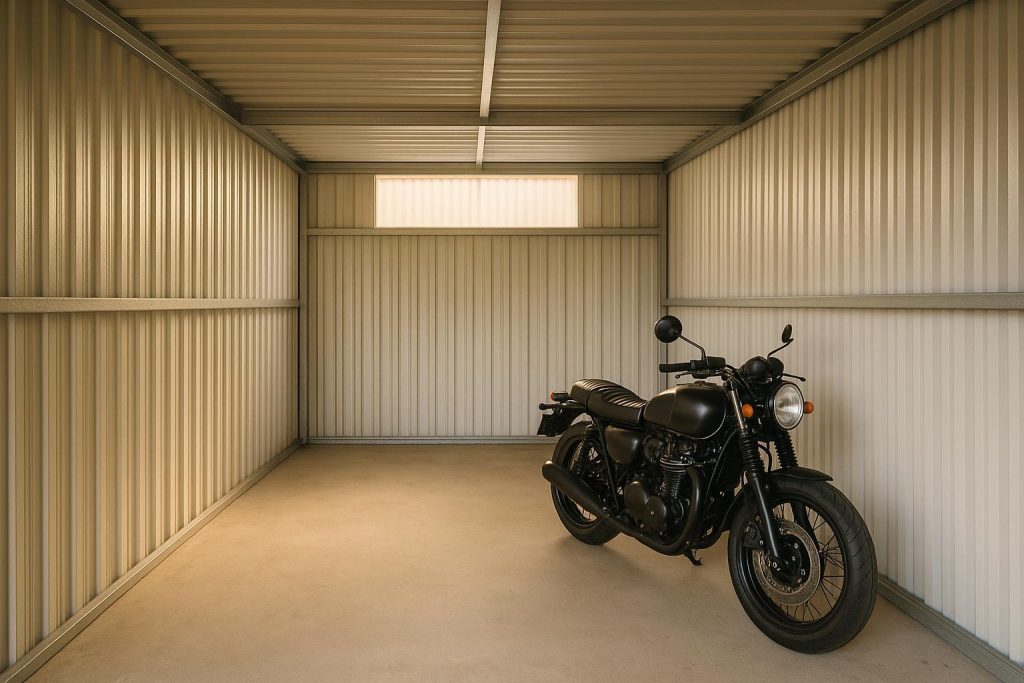
Storing Your Motorcycle Safely: A Complete Guide
Storing a motorcycle in a self-storage unit is a practical way to protect your bike during off-seasons or extended periods of non-use. By choosing the right space and following proper preparation steps, you can maintain your motorcycle’s condition without crowding your garage or parking area. Whether you live in a region like Edmonton, with harsh winters, or simply need extra room, a good storage facility can offer a secure solution. Below, we’ll explore the benefits and considerations of motorcycle storage in a self-storage unit, discuss how to prepare your motorcycle, and share practical tips to keep your bike in peak shape.
Benefits of Using a Self-Storage Unit for Your Motorcycle
Utilizing a storage unit for your motorcycle provides multiple advantages. First and foremost, it helps keep your bike away from the elements. Excessive cold, rain, snow, and dust can cause corrosion or other damage that affects your motorcycle’s performance. Additionally, a secure self-storage facility keeps your property safe from theft or vandalism, offering extra peace of mind.
A dedicated self-storage space also helps you clear up room in your driveway or garage. This can be especially beneficial for riders who own multiple bikes or have limited home storage. In many facilities, you’ll find units of various sizes, so you can select the one that meets your unique needs. For instance, if you have accessories like sidecars or additional gear, a larger unit is generally the best fit. At some facilities, you might also have the option of accessing your motorcycle anytime, which is helpful if you suddenly get the urge to hit the road on a nice day.
Finally, many self-storage units include features like gated entry, security cameras, and on-site staff. These measures not only deter unauthorized entry but also allow you to trust that your motorcycle is protected. Keeping your bike in a well-lit and monitored area will allow you to focus on other concerns while your ride remains completely secure and ready for your next journey.
Choosing the Right Storage Option
When picking a place to store your motorcycle, consider the variety of solutions a storage provider might have. For instance, self-storage bays often come in different sizes, letting you pick one that comfortably fits the dimensions of your bike. These enclosed units shield your motorcycle from rain, snow, and dust, providing an environment that helps preserve paint and mechanical components.
You might also explore container rentals if you need extra room to store multiple motorcycles, or if you plan to keep large quantities of gear alongside your bike. These containers are typically wind- and water-tight, making them ideal for safeguarding valuable items against moisture and debris. Additionally, container rentals can be helpful for storing seasonal items or tools alongside your motorcycle, offering a convenient all-in-one approach.
Whether you opt for a self-storage unit or a container, be sure to ask the facility about specific rules for vehicle storage. Some places have guidelines on fuel left in the tank, the use of motorcycle covers, or rules about tasks you can do in the unit (like minor maintenance). Verifying these rules in advance will help you avoid surprises and stay in compliance with facility policies.
Essential Preparations for Storing Your Motorcycle
An often-overlooked step in long-term vehicle placement is properly preparing the bike itself. Following these guidelines can help ensure your motorcycle remains secure, safe, and well-maintained:
- Thorough Cleaning: Wash, rinse, and dry your motorcycle, paying particular attention to any areas where grime or road salt can accumulate. Dirt and salt can hold moisture, which may become a catalyst for rust. A clean surface also allows you to spot any damage or leaks before you store your bike.
- Fuel Precautions: Filling your gas tank and adding a fuel stabilizer will help prevent condensation, which can wreak havoc on your engine’s internal components. Running your engine briefly after the stabilizer is added ensures it circulates through the system. Where facility policies allow, a full tank with the proper stabilizer typically helps combat moisture and prevents malfunction.
- Fresh Oil and Filters: Old oil can contain contaminants that damage the engine if they sit for long periods. Changing the oil and filter before storing your motorcycle is a straightforward way to protect its engine and maintain optimal performance.
- Battery Care: Batteries can lose charge over time, especially in colder climates. Disconnect the battery and store it somewhere dry and temperature-stable. If convenient, invest in a trickle charger or battery tender to keep the battery fresh. This step ensures your motorcycle is ready to roll once you’re done storing it.
- Tire Support: Keeping your bike on a center stand (or paddock stand) alleviates pressure on the tires. This reduces the risk of flat-spotting and ensures that the bike’s suspension remains at rest in a balanced position.
- Protective Cover: Use a breathable motorcycle cover to shield it from dust, dirt, and minor scratches. Look for a cover that fits snugly but doesn’t trap moisture underneath. While many storage units are designed to be clean and dry, a cover can offer an additional layer of defense.
- Regular Checkups: Even with your motorcycle in storage, it’s wise to check periodically for any issues. A quick inspection of the cover, tire pressure, and battery can help you detect problems early. Use these visits to confirm no pests or moisture have found their way into the unit.
By following these steps, you’ll give your bike the best chance to remain in top mechanical shape. Although the guidelines apply universally to most makes and models, always double-check your owner’s manual or manufacturer instructions for any specific storage protocols, as the recommendations may vary slightly.
During Storage: Keeping Your Motorcycle in Good Condition
Once your motorcycle is settled in storage, there are still a few steps you can take to keep its condition at its best. One approach is to spin the front and rear wheels by hand every month or two, if safe and feasible, to confirm they rotate freely. This basic check helps distribute lubricants inside the wheel bearings and lessens the chance of them seizing.
You can also wipe down exposed metal parts with a lightly oiled rag to guard against corrosion. In winter-prone areas, sudden humidity spikes may cause condensation to collect on metal surfaces, so checking these critical parts is an easy precaution. Meanwhile, avoid storing items that might leak fluid or generate excess dust near your bike. Keeping your unit clean will reduce the need for deep cleaning when you retrieve your bike later.
Remember to keep an eye on your battery if you chose to store it separately. Charging your battery once a month or connecting it to a low-amp maintainer can help it stay strong and ready for action. This combination of small checks and occasional maintenance keeps wear and tear to a minimum and your motorcycle in prime shape for spring or whenever you decide to ride again.
Addressing Safety and Facility Guidelines
Before moving your motorcycle into a self-storage unit, check local regulations and the facility’s rules for storing vehicles. Some businesses might enforce empty or nearly empty fuel policies, while others allow gas in the tank as long as it’s stabilized. You should also ask about insurance coverage to ensure your policy remains valid while your bike is in storage. Although many storage facilities have security features, personal insurance can offer an extra layer of coverage.
In addition, confirm that the storage provider’s design accommodates your motorcycle’s dimensions comfortably. Some bikes may have extended handlebars or additional modifications that require more maneuvering space. If you plan to work on your motorcycle while it’s stored—like quick tune-ups or minor maintenance—ask whether such tasks are allowed on the premises. Understanding these guidelines fully will help you avoid any conflicts and keep your motorcycle stored without hassle.
Frequently Asked Questions About Motorcycle Storage
1. How long can I store my motorcycle in a unit?
The length of time depends on the terms you arrange with the facility. Many providers offer month-to-month agreements that let you store your bike seasonally. Others provide long-term discounts; find out what options are on the table if you need extended storage.
2. Do I need to remove the battery?
It’s highly recommended to remove or disconnect your battery. Doing so prevents slow discharge over time. You can keep it on a trickle charger or store it in a warmer environment to help preserve its charge.
3. Is fuel stabilization necessary if I only store my bike for a month?
A month might not be too long, but using a stabilizer is still beneficial for preventing moisture buildup and fuel breakdown. Conditions vary by region, so it pays to be cautious and follow best practices.
4. Are there any size restrictions for storing motorcycles?
Typically, units designed for motorcycle storage can accommodate the vast majority of bikes. If you have custom features or an especially large model, you can talk to the facility staff to confirm the chosen unit’s suitability.
5. Why not just leave my motorcycle outside?
Storing your bike outdoors leaves it exposed to weather extremes, temperature swings, and security risks. Investing in a self-storage unit helps defend it from moisture, direct sunlight, and potential theft, ultimately protecting both its value and functionality.
Other Storage Solutions
If a traditional storage unit isn’t quite the right fit for your needs, explore additional options, such as on-site mobile storage or larger-sized storage containers. These can be more practical if you’re managing commercial gear alongside your motorcycle, or if you routinely share storage space with friends who also ride. That said, standard self-storage units typically work well for single-bike owners who just want a safe, tidy space to keep their ride.
Final Thoughts
Storing your motorcycle in a self-storage unit offers a hassle-free way to keep your bike safe, clean, and ready for your next adventure. By investing a bit of time in preparation—like cleaning, changing fluids, and safeguarding the battery—you can sidestep the common issues that happen when bikes sit idle for prolonged periods. Facilities in regions such as Edmonton often tailor their units to meet the variety of needs that local riders have, including considerations for cold weather and secure access.
Regardless of the season or your schedule, proper storage is an investment in your motorcycle’s longevity. From preventing rust to preserving paint and safeguarding it from theft, a structured approach to storage helps you avoid costly repairs. Choose a storage provider that offers a trusted, no-nonsense rental experience, with well-maintained space, security measures, and flexible options. With the right facility and a little prep work, you’ll be able to ride off with confidence each time you take your bike out of storage.


