
Are shipping container homes considered permanent structures?

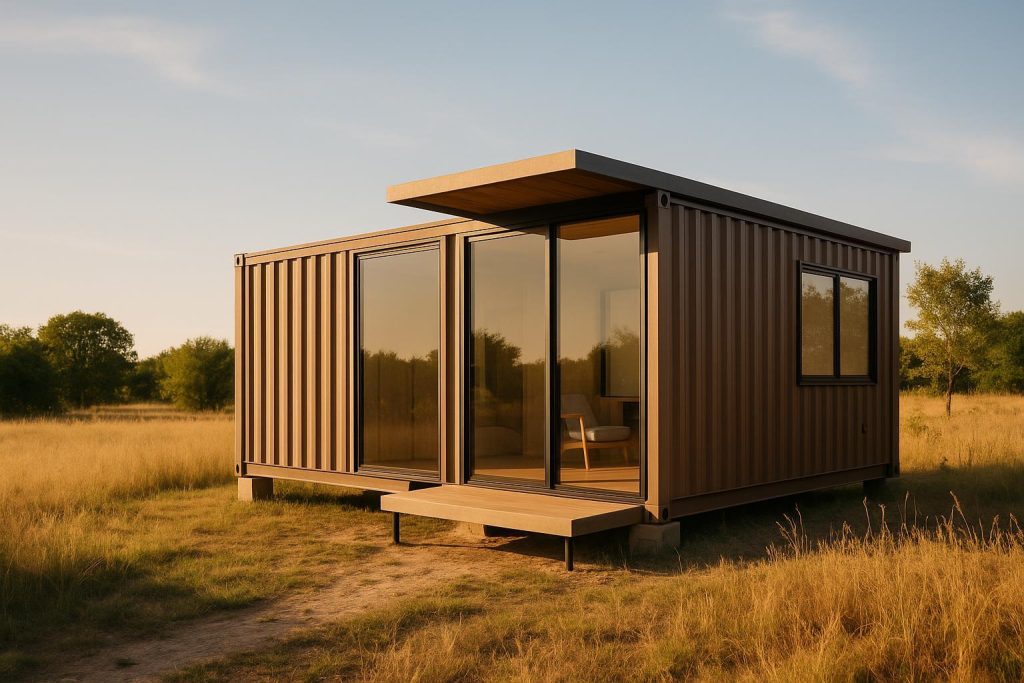
Bright, modern shipping container home in an open setting.

Understanding the Permanency of Shipping Container Homes

Whether or not a shipping container home is considered a permanent structure often depends on how it is built, anchored, and maintained. Many people choose sturdy steel containers for residential projects because they are durable, cost-effective, and surprisingly versatile. If your container is equipped with a proper foundation, connected to utilities, and designed to meet local building codes, it will likely be classified as a permanent dwelling. However, some municipalities treat these structures differently based on zoning or permit regulations, so it’s important to research your specific requirements before beginning any building project.

One key factor that determines the classification of a shipping container home is the level of modification. For instance, if you’ve added features like insulation, interior framing, secure windows, and doors—along with a reliable foundation—it’s more likely to be seen as a permanent home. A container that remains easily movable or lacks permanent utilities might be viewed by local authorities as a temporary or semi-permanent living space. As interest in container architecture grows, many regions provide clear guidelines on what is needed for a container-based structure to meet codes. Always consult with your municipality or county first to make sure you can meet all requirements for your future home.

If you are interested in building a shipping container home but need to secure the container itself, exploring reputable suppliers and understanding the range of container types is crucial. We offer Container Sales for those seeking durable, high-grade steel units that are suitable for long-term projects. Some customers may prefer a single container with minimal remodeling, while others opt for larger, joined containers that form multi-room residences. No matter the scope, proper planning, and adherence to local regulations, is the safest path to ensuring that your container home is recognized as a permanent structure if that is your goal. From acquiring the right building permits to selecting high-quality containers, each step will help you create a safe, comfortable living space that stands the test of time.

Related FAQs

Understanding Special Permits for Container Homes Building a shipping container home can be an exciting project, but it often requires more than simply placing a steel box on a plot of land. In most municipalities, a special building permit will be necessary to ensure that your container home meets local construction and safety codes. Requirements […]

Understanding Permit Requirements for a Container Office When planning to install a container office on your property, it is essential to know the specific permits and regulations required by your local authorities. Generally, container offices fall under the category of temporary or accessory structures, but the way they are classified often depends on their intended […]

Understanding the Long-Term Value of Container Homes Many people contemplating a shipping container home wonder if these innovative structures really hold their value over time. In most cases, well-constructed container homes can retain or even appreciate in value, much like other types of houses. Their durability stems from the inherent strength of steel shipping containers, […]

Ensuring Your Shipping Container Meets Local Zoning Requirements When you buy a shipping container, confirming it meets all local zoning requirements is a key step in avoiding potential penalties or complications. Because each city and county can have different land-use rules, you'll want to begin by reviewing municipal guidelines. In many regions, there may be […]

Understanding Standard Shipping Container Sizes When comparing shipping containers, one of the biggest considerations is size. Most containers follow a standard width of 8 feet, with a typical height of 8 feet 6 inches. Common lengths include 10-foot, 20-foot, 40-foot, and even 45-foot options. Each variety serves a different purpose, whether you need short-term storage, […]

How Container Size Influences Weight Capacity When considering the overall load capabilities of a shipping container, size plays a pivotal role in determining how much weight it can safely carry. At its core, weight capacity depends on three main factors: the container's structural integrity, the materials used in its construction, and the specific dimensions of […]